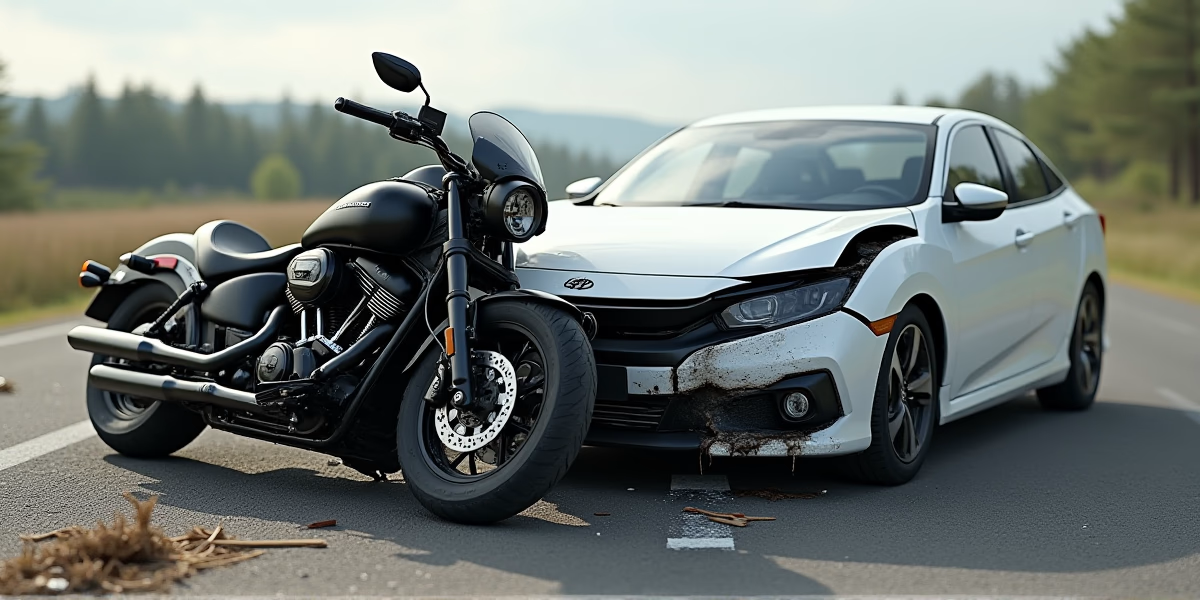
What If A Driver Opened A Car Door Into My Motorcycle?

As a personal injury attorney specializing in motorcycle accidents here in San Diego, I see cases like Darnell’s far too often. Drivers, and their passengers, have a responsibility to check for oncoming traffic before opening their doors. When they fail to do so, it can lead to devastating consequences for motorcyclists. The legal principles governing these accidents are often complex, and insurance companies will aggressively attempt to minimize their liability.
The core issue in these cases is negligence. The driver or passenger owed a duty of care to Darnell to ensure their actions didn’t create a hazard. By opening the door without looking, they breached that duty, and that breach directly caused Darnell’s injuries. Establishing this chain of causation is critical to a successful claim. Often, the insurance company will attempt to argue that Darnell was speeding or otherwise contributorily negligent, making it even more important to have experienced legal counsel on your side.
I’ve been practicing personal injury law in San Diego for over 13 years, and I was previously trained by a former insurance defense attorney. This unique background gives me intimate knowledge of how insurance companies evaluate, devalue, and deny claims. I understand their tactics and know how to build a strong case to maximize your recovery. I’ve seen firsthand how they attempt to shift blame and minimize payouts, and I’m prepared to fight for your rights.
What evidence do I need to collect after a car door collision?
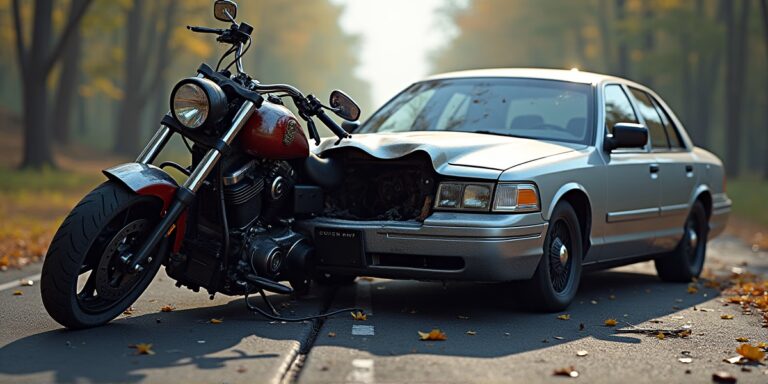
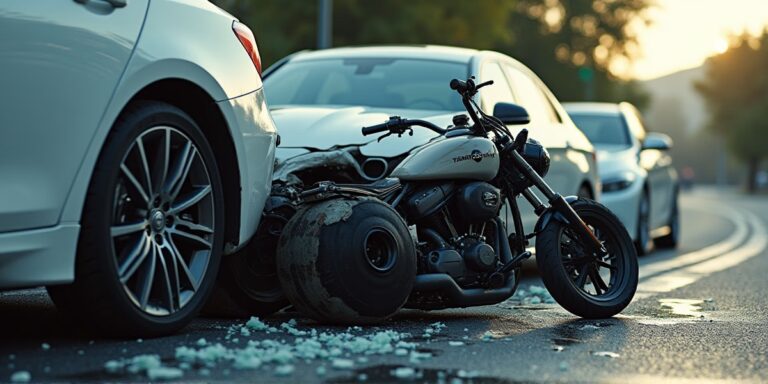
Gathering evidence is paramount. Immediately after the accident, if possible, document the scene with photos and videos. Capture the position of the vehicles, the open door, any visible injuries, and the surrounding area. Obtain the contact information of the driver and any witnesses. A police report, if filed, is also crucial. Most importantly, seek medical attention immediately, even if you don’t feel seriously injured. A medical record establishes a clear timeline of your injuries and links them to the accident.
Don’t underestimate the importance of dashcam footage, if available. Many motorcyclists now use dashcams, which can provide irrefutable evidence of the accident. Even footage from nearby businesses or traffic cameras can be helpful. Additionally, preserve any clothing or personal items damaged in the collision. The more evidence you have, the stronger your case will be.
How long do I have to file a lawsuit in California?
In California, you have a limited time to file a lawsuit for personal injury. According to CCP § 335.1, you generally have **two years** from the date of the motorcycle accident to initiate legal proceedings. Because evidence at a crash scene—such as skid marks or GoPro footage—can disappear quickly, immediate filing is critical to preserve the integrity of the claim.
It’s important to note that this two-year statute of limitations begins to run on the date of the injury, not necessarily the date of the accident. If you delay seeking medical attention, it could complicate determining the exact date of injury. Consulting with an attorney as soon as possible will ensure you don’t miss any critical deadlines.
What if the driver was working at the time of the accident?
If the driver was employed at the time of the accident—for example, a delivery driver—you may have a claim against their employer as well. This is known as vicarious liability, where the employer is responsible for the negligent actions of their employee. In these cases, the employer’s insurance policy may provide additional coverage. It’s crucial to investigate the driver’s employment status and identify all potential sources of recovery.
Furthermore, if the driver was operating a company vehicle, the employer may also be directly liable for negligent entrustment if they knew or should have known the driver was unfit to operate the vehicle. This could include a history of traffic violations or a lack of proper training. A thorough investigation is essential to uncover all potential avenues for recovery.
Can I recover damages for pain and suffering?
Absolutely. In California, you are entitled to recover damages for both economic and non-economic losses. Economic damages include medical expenses, lost wages, and property damage. Non-economic damages compensate you for the pain, suffering, emotional distress, and loss of enjoyment of life caused by the accident. These damages are more subjective but are a vital component of a fair settlement.
Calculating non-economic damages can be complex. Insurance companies often attempt to minimize these losses, so it’s important to have an attorney who can effectively present your case and demonstrate the full extent of your suffering. Factors considered include the severity of your injuries, the length of your recovery, and the impact the accident has had on your daily life.
What if the insurance company is delaying my claim?
Insurance companies often employ delay tactics to discourage claimants from pursuing their cases. They may request excessive documentation, repeatedly reschedule interviews, or simply fail to respond to your inquiries. These tactics are designed to wear you down and force you to accept a lower settlement. Don’t fall for it. An experienced attorney can navigate these delays and ensure your claim is handled promptly and fairly.
We can send formal demands for information, file complaints with the Department of Insurance, and, if necessary, pursue litigation to protect your rights. It’s important to remember that insurance companies are businesses, and their goal is to minimize payouts. An attorney can level the playing field and advocate for your best interests.
What if the other driver claims I was partially at fault?
California operates under a ‘pure’ comparative fault system, meaning you can still recover damages even if you shared some responsibility for the accident. However, your total compensation will be reduced by your percentage of fault. For example, if you are found to be 20% at fault, your recovery will be reduced by 20%. The other driver’s insurance company will likely attempt to argue you were contributorily negligent to minimize their payout.
According to Civ. Code § 1714, the burden of proof lies with the defendant to demonstrate your negligence. We will thoroughly investigate the accident and gather evidence to refute any claims of fault. This may include witness statements, police reports, and expert testimony.