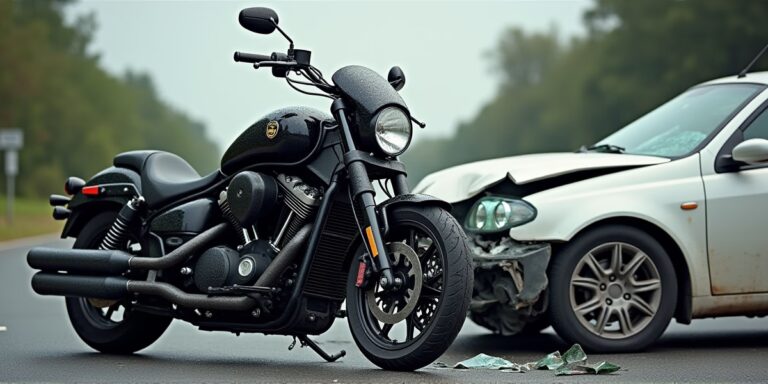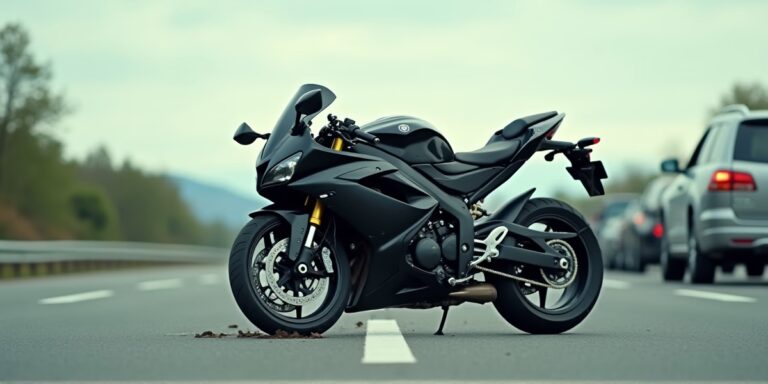
What If I Was Sideswiped While Riding In My Lane?

Being sideswiped while riding a motorcycle presents unique challenges in proving liability. Unlike a head-on collision where fault is often clear, sideswipes frequently involve disputes over who was where, who changed lanes improperly, and whether the other driver was truly negligent. The key to building a strong case lies in gathering comprehensive evidence and understanding California’s traffic laws.
One of the first things we do for clients in these situations is to thoroughly investigate the accident scene. This includes obtaining police reports, witness statements, and any available video footage from traffic cameras or nearby businesses. We also examine the other driver’s actions leading up to the collision – were they texting, speeding, or otherwise distracted? These details are crucial in establishing negligence and holding the at-fault party accountable.
I’ve been practicing personal injury law in San Diego for over 13 years, and I’ve seen firsthand how insurance companies attempt to minimize payouts in motorcycle accidents. Trained by a former insurance defense attorney, I have intimate knowledge of how they evaluate, devalue, and deny claims. They often look for any reason to shift blame onto the rider, even if the driver was clearly at fault. That’s why it’s essential to have an experienced advocate on your side who understands their tactics and can fight for your rights.
What evidence is most important in a sideswipe accident case?
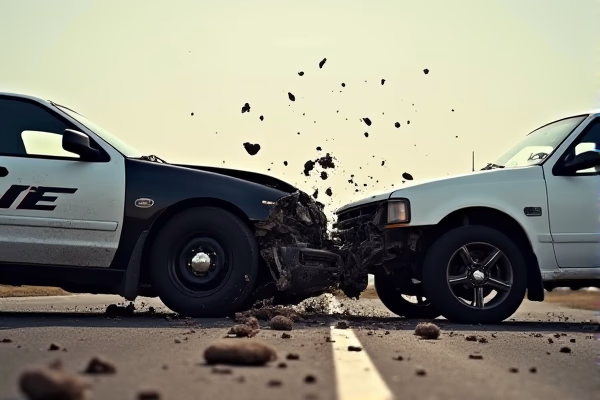
Documenting the scene immediately after the accident is paramount. If possible, take photos of the damage to both vehicles, the surrounding roadway, and any visible injuries. Obtain the other driver’s insurance information and contact details. Crucially, seek out any witnesses who may have observed the collision and obtain their statements. Dashcam footage, if available, is incredibly valuable evidence, as is any data from the vehicles’ event data recorders (EDR).
Beyond the immediate scene, medical records are vital to demonstrate the extent of your injuries and the associated costs. Keep detailed records of all medical appointments, treatments, and expenses. We also work with accident reconstruction experts to analyze the collision dynamics and determine the point of impact, which can be critical in proving liability.
How does California law apply to sideswipe accidents involving motorcycles?
California law recognizes lane splitting as a legal practice, defined as driving a motorcycle between rows of stopped or moving vehicles in the same lane. However, even if you were lane splitting at the time of the accident, the other driver may still be liable if they were negligent. Proving that the maneuver was performed ‘in a safe and prudent manner’ is essential to rebutting claims of rider negligence. CVC § 21658.1 outlines the requirements for legal lane splitting.
What if the other driver claims I was partially at fault?
California operates under a ‘pure’ comparative fault system. This means that even if you were partially responsible for the accident, you can still recover damages, but your total compensation will be reduced by your percentage of fault. For example, if you are found to be 20% at fault, you can still recover 80% of your damages. Insurance companies will often attempt to argue that you were speeding, changing lanes improperly, or otherwise contributed to the collision. It’s crucial to have an attorney who can effectively counter these claims and protect your rights. Civ. Code § 1714 details California’s comparative fault rules.
What should I do if the insurance company is delaying my claim?
Insurance companies frequently employ delay tactics to discourage claimants from pursuing their cases. They may request extensive documentation, schedule unnecessary interviews, or simply fail to respond to your inquiries in a timely manner. If you are experiencing delays, it’s important to remain persistent and document all communication with the insurance company. We can handle all communication on your behalf, ensuring that your claim is properly investigated and that your rights are protected.
What if the other driver was uninsured?
If the at-fault driver was uninsured, you may be able to recover damages through your own Uninsured Motorist (UM) coverage. California law requires insurers to offer UM coverage, which provides compensation for injuries caused by uninsured drivers. The amount of coverage you have will determine the maximum amount you can recover. It’s important to review your policy and understand the terms of your UM coverage. Ins. Code § 11580.2 outlines the requirements for Uninsured Motorist coverage in California.
What is the statute of limitations for filing a motorcycle accident lawsuit in California?
California law provides a **two-year** window from the date of the motorcycle accident to file a lawsuit for personal injury. Because evidence at a crash scene—such as skid marks or GoPro footage—can disappear quickly, immediate filing is critical to preserve the integrity of the claim. CCP § 335.1 governs the statute of limitations for personal injury claims.