What If My Cargo Was Loaded Improperly By A Third Party?

The core issue in these cases is often determining who bears the responsibility when a third party – like a loading company, warehouse, or even another trucker – negligently handles the cargo. While the trucking company is ultimately responsible for the safe transport of goods, they aren’t always at fault for how those goods were initially secured. This is where things get complex, and why having experienced legal counsel is crucial.
The legal principles at play here center around negligence and vicarious liability. If a third party breached their duty of care in loading, securing, or handling the cargo, and that breach directly caused the accident, they can be held liable for the resulting damages. However, proving that negligence requires a thorough investigation and a clear understanding of industry standards. It’s not enough to simply say the load wasn’t secured properly; we need to demonstrate a deviation from accepted practices and a direct link to the accident.
I’ve been practicing personal injury law in San Diego for over 13 years, and I’ve seen firsthand how insurance companies attempt to shift blame in these situations. Trained by a former insurance defense attorney, I have intimate knowledge of how they evaluate, devalue, and deny claims. They will often focus on the trucking company’s policies and procedures, hoping to avoid responsibility for the actions of a third party. That’s why it’s so important to have an attorney who understands these tactics and can build a strong case on your behalf.
Can I Sue the Company That Loaded the Cargo?
Absolutely. If the company responsible for loading the cargo was negligent – meaning they failed to exercise reasonable care in securing the load – you have grounds to pursue a lawsuit against them. This could include improper weight distribution, failure to use appropriate securing devices (straps, chains, dunnage), or inadequate training of their employees. Establishing negligence requires evidence, such as loading manifests, employee training records, and expert testimony regarding industry best practices.
It’s important to remember that even if the trucking company also bears some responsibility, you can pursue claims against multiple parties. California law allows for the recovery of damages from all those whose negligence contributed to the accident. The goal is to ensure that all responsible parties are held accountable for their actions.
What if the Trucking Company Knew or Should Have Known About the Improper Load?
This is a critical point. If the trucking company was aware of the improper loading – or reasonably should have been aware – their liability increases significantly. This is known as “negligent entrustment.” Even if the loading company was primarily at fault, the trucking company may be held liable for failing to take corrective action. For example, if the driver reported concerns about the load security, but the company ignored those concerns, they could be held responsible.
What Evidence Do I Need to Prove Negligence?
Gathering evidence is paramount. This includes: the freight bill, the bill of lading, loading tickets, photos or videos of the load before transport, any inspection reports, and the driver’s logbook. Crucially, we also need to obtain statements from anyone involved in the loading process. We often hire accident reconstruction experts to analyze the scene and determine the cause of the load shift. In San Diego, we also frequently utilize the California Highway Patrol (CHP) reports, although these reports are often incomplete and require further investigation.
What Role Does the Driver Play in These Cases?
The driver’s actions are also relevant. While the driver may not have been responsible for the initial loading, they have a duty to inspect the load and report any concerns to the company. If the driver failed to properly inspect the load or continued to operate the vehicle despite knowing about a potential safety hazard, they could be held liable. However, it’s important to note that drivers are often under pressure to meet tight deadlines and may be discouraged from reporting issues that could delay their delivery.
What if the Accident Involved a Government Vehicle or Road Hazard?
If a truck accident involves a government-owned vehicle or a dangerous road condition maintained by a public entity, a formal administrative claim **MUST** be presented within **6 months** (180 days). Failure to meet this strict deadline under the Government Tort Claims Act can result in the permanent loss of your right to recover. These claims require specific formatting and documentation, and it’s essential to consult with an attorney immediately to ensure compliance.
What if the Truck Driver Was an Independent Contractor?
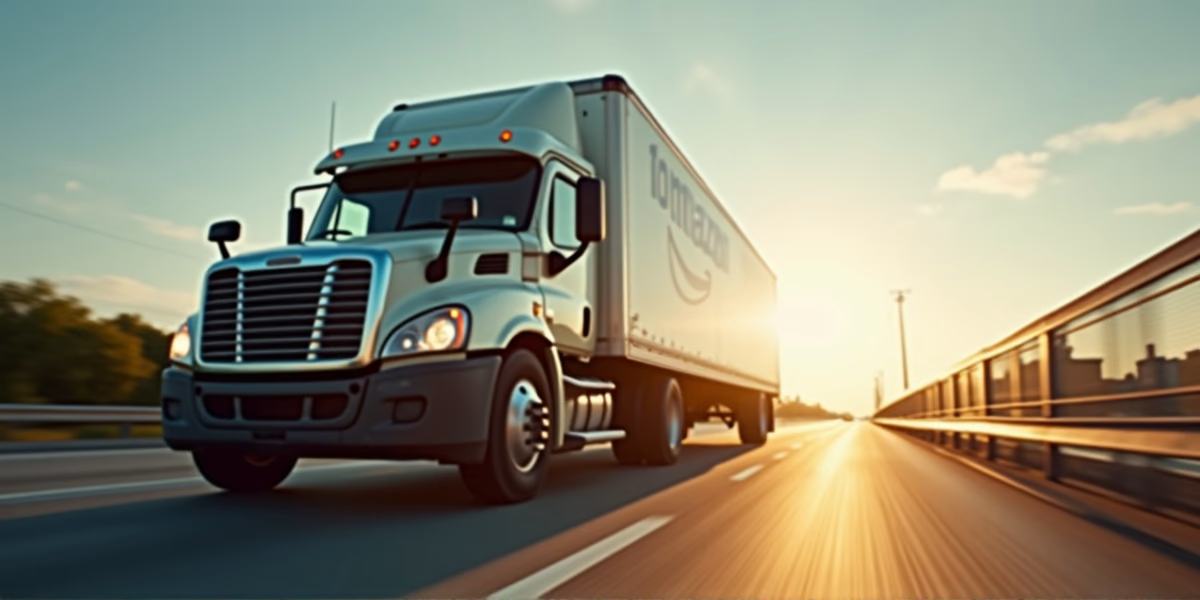
California’s ‘ABC test’ determines if a delivery driver (Amazon/FedEx) is an employee or contractor. Even if labeled a ‘contractor,’ a company may be liable if they exercise control over the driver’s work, a key factor in San Diego delivery truck litigation. Determining the driver’s employment status is often a complex legal issue, and we will thoroughly investigate the relationship between the driver and the company to determine the appropriate course of action.
What if the Insurance Company is Requesting a Recorded Statement?
Insurance companies often request recorded statements early in the claims process. While you are not legally obligated to provide a statement, doing so can be detrimental to your case. They are skilled at using your words against you, and it’s best to let an attorney handle all communication with the insurance company. We can advise you on the best course of action and protect your rights.
What Happens if the Trucking Company Files Bankruptcy?
If the trucking company files bankruptcy, it can complicate the claims process. However, it doesn’t necessarily mean you won’t be able to recover damages. Bankruptcy proceedings often involve a process for filing claims against the company’s assets. We can navigate the bankruptcy process and ensure that your claim is properly filed and pursued.
What is the Statute of Limitations for a Truck Accident Claim in California?
California law provides a **two-year** window from the date of the truck accident to file a lawsuit. Because trucking companies often begin evidence destruction (like purging ELD data) as soon as the law allows, immediate filing is critical to preserve the integrity of the claim. Don’t delay seeking legal counsel, as the statute of limitations can expire quickly.
What if There are Multiple Insurance Policies Involved?
Trucking accidents often involve multiple insurance policies – primary liability, cargo insurance, and potentially umbrella policies. We will identify all applicable policies and coordinate the claims process to maximize your recovery. Understanding the interplay between these policies requires a thorough understanding of insurance law and coverage limits.