What If The Adjuster Claims I Share Fault?

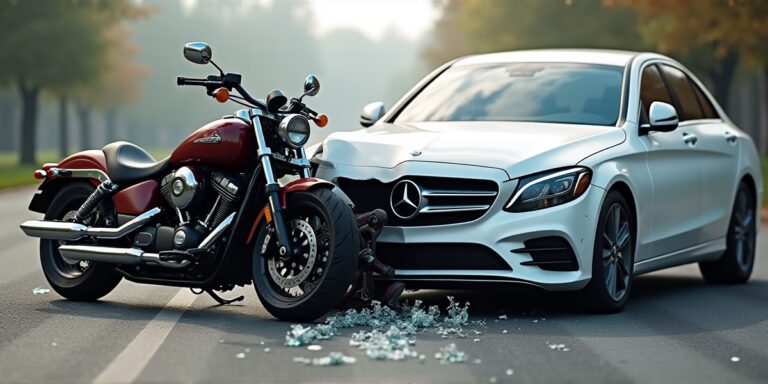
It’s a common tactic. Insurance adjusters routinely attempt to minimize payouts by alleging shared fault, even when the evidence clearly points to the other driver’s negligence. They’ll scrutinize every aspect of the accident, looking for any detail they can twist to suggest you contributed to the collision. This could involve questioning your speed, lane positioning, or even the visibility of your motorcycle. Don’t fall for it. Understanding your rights and how to counter these claims is crucial to securing the full compensation you deserve.
The core principle at play is comparative negligence. California operates under a “pure” comparative fault system, meaning you can recover damages even if you were partially at fault. However, your recovery will be reduced by your percentage of fault. For example, if you’re found 20% at fault for an accident with $100,000 in damages, you’ll only receive $80,000. This is why the adjuster’s assessment of your fault is so critical – and often, so unfair.
As a personal injury attorney practicing in San Diego for over 13 years, I’ve seen this scenario play out countless times. I was trained by a former insurance defense attorney, giving me intimate knowledge of how insurance companies evaluate, devalue, and deny claims. They’re experts at finding loopholes and exploiting ambiguities. That’s why having an experienced advocate on your side is essential.
What evidence can an adjuster use to claim I was at fault?
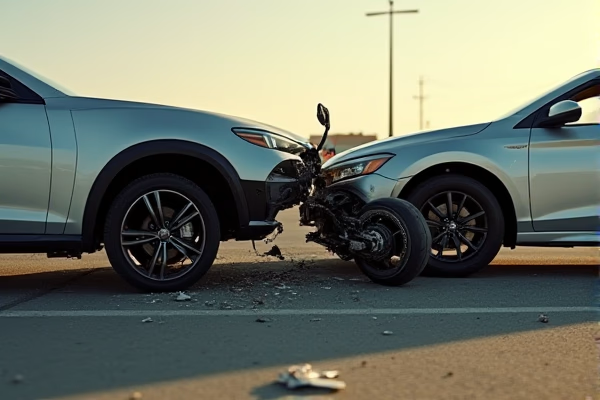
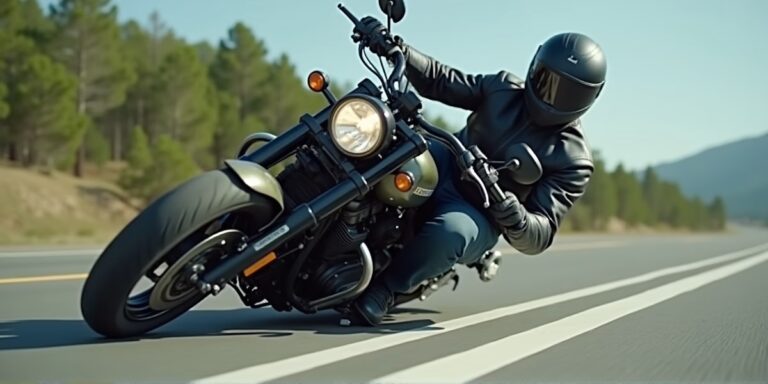
Adjusters will cast a wide net, examining everything from the police report and witness statements to the physical evidence at the scene. They’ll look for any indication that you were speeding, riding recklessly, or failed to maintain proper control of your motorcycle. Common points of contention include lane splitting maneuvers, the condition of your tires, and whether you were wearing a helmet. They may also attempt to argue that you failed to take evasive action to avoid the collision.
Crucially, they’ll often focus on any modifications made to your motorcycle, suggesting they contributed to the accident. Even a seemingly harmless upgrade could be used to argue negligence. It’s vital to document everything about your bike, including any pre-existing conditions or modifications, and to be prepared to defend your riding practices.
Furthermore, adjusters will often seek your recorded statement. This is a trap. Anything you say can and will be used against you. Never provide a recorded statement without first consulting with an attorney.
How do I challenge the adjuster’s claim of shared fault?
Challenging an adjuster’s claim requires a thorough investigation and a strong legal strategy. We begin by meticulously reviewing the police report, witness statements, and any available video footage. We’ll also consult with accident reconstruction experts to analyze the dynamics of the collision and determine the true cause of the accident.
If the police report is inaccurate or incomplete, we’ll work to obtain supplemental reports or affidavits from witnesses. We’ll also gather evidence to demonstrate your safe riding practices, such as your motorcycle license, any safety courses you’ve completed, and the proper maintenance of your bike. CVC § 21658.1, which recognizes lane splitting as legal, can be a powerful tool in rebutting claims of rider negligence.
Ultimately, our goal is to present a compelling case that demonstrates the other driver’s negligence and minimizes any allegations of shared fault. This may involve negotiating with the insurance company, filing a lawsuit, and preparing for trial.
What if the adjuster says I should have seen it coming?
The argument that you “should have seen it coming” is a common tactic used by adjusters to establish negligence. They’ll claim you had a duty to anticipate the other driver’s actions and take steps to avoid the collision. However, this argument is often based on speculation and lacks concrete evidence.
In California, drivers have a duty to exercise reasonable care under the circumstances. This means they must be attentive to their surroundings and avoid actions that could endanger others. It does not require you to anticipate the unpredictable behavior of negligent drivers. Unless the other driver’s actions were readily apparent and unavoidable, you are not responsible for their recklessness.
We’ll counter this claim by demonstrating your reasonable care and the unexpected nature of the other driver’s actions. This may involve presenting evidence of poor visibility, sudden lane changes, or other factors that made it impossible to avoid the collision.
What role does my motorcycle helmet play in a fault determination?
California is a universal helmet law state, meaning all riders and passengers are required to wear a DOT-approved helmet. While a helmet violation may be used by defense counsel to argue for a reduction in damages via comparative fault—specifically regarding head or neck injuries—it does not bar a rider from seeking recovery for other injuries caused by a negligent driver. CVC § 27803 outlines these requirements.
The insurance company may attempt to argue that your injuries would have been less severe if you had been wearing a helmet. However, this argument is often overstated and relies on speculation. We’ll counter this claim by presenting evidence of the extent of your injuries and the other driver’s negligence. The fact that you were wearing a helmet demonstrates your commitment to safety and should not be used against you.
Furthermore, we’ll emphasize that the other driver’s negligence was the primary cause of the accident, regardless of whether you were wearing a helmet.
How does California’s comparative fault system work in motorcycle accidents?
California’s “pure” comparative fault system, as defined in Civ. Code § 1714, allows you to recover damages even if you were partially at fault. However, your total compensation will be reduced by your percentage of fault. For example, if you’re found 30% at fault for an accident with $100,000 in damages, you’ll only receive $70,000.
The key is determining your percentage of fault. This is often a contentious issue, and the insurance company will likely attempt to maximize your share of responsibility. We’ll fight to minimize your fault and ensure you receive the full compensation you deserve. This may involve negotiating with the insurance company, filing a lawsuit, and presenting evidence at trial.
It’s important to remember that the burden of proof lies with the insurance company to demonstrate your negligence. They must present concrete evidence to support their claim of shared fault. Without such evidence, their argument will likely fail.
What should I do if the insurance adjuster is demanding a recorded statement?
Never provide a recorded statement to an insurance adjuster without first consulting with an attorney. Adjusters are trained to ask leading questions and elicit information that can be used against you. They’re looking for any slip-up or ambiguity that they can exploit to minimize your claim.
If an adjuster contacts you requesting a recorded statement, politely decline and refer them to your attorney. We’ll handle all communications with the insurance company on your behalf and protect your rights.
Remember, you have no obligation to cooperate with the insurance company beyond providing basic information about the accident. Anything you say can and will be used against you, so it’s best to let an experienced attorney handle the negotiations.
What if the accident involved a government vehicle or a dangerous road condition?
If your motorcycle accident involved a government-owned vehicle or a dangerous road condition like loose gravel, potholes, or poorly marked construction zones, a formal administrative claim **MUST** be presented within **6 months** (180 days) under the Government Tort Claims Act. Failure to meet this strict deadline under Gov. Code § 911.2 can result in the permanent loss of your right to recover.
These claims are often complex and require specific documentation and procedures. We have extensive experience handling government liability claims and will ensure your claim is properly filed and prosecuted. Do not delay in seeking legal counsel if your accident involved a government entity.
The process is significantly different than a claim against a private insurance company, and failing to follow the proper procedures can be fatal to your case.
How long do I have to file a lawsuit after a motorcycle accident in California?
California law provides a **two-year** window from the date of the motorcycle accident to file a lawsuit for personal injury. Because evidence at a crash scene—such as skid marks or GoPro footage—can disappear quickly, immediate filing is critical to preserve the integrity of the claim under CCP § 335.1.
Waiting too long to file a lawsuit can result in the loss of your claim, even if the other driver was clearly at fault. We’ll ensure your lawsuit is filed within the statutory deadline and protect your rights.
Don’t delay in seeking legal counsel after a motorcycle accident. The sooner you contact an attorney, the better your chances of securing a successful outcome.