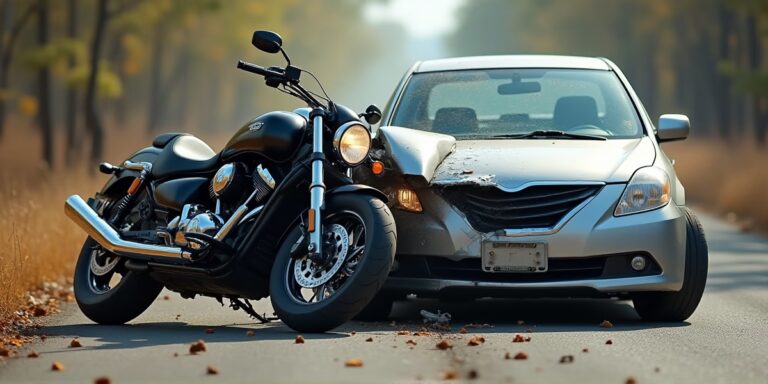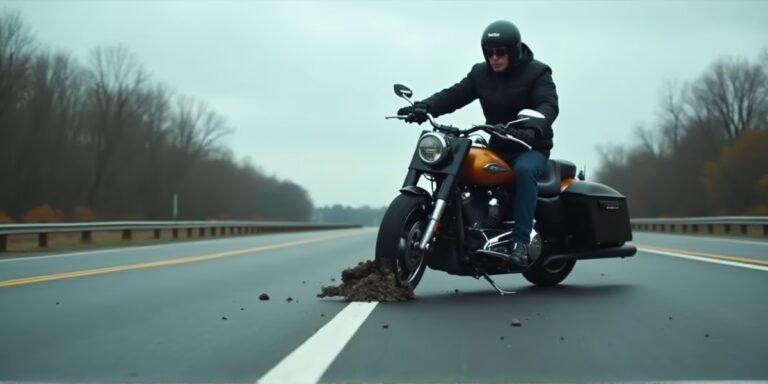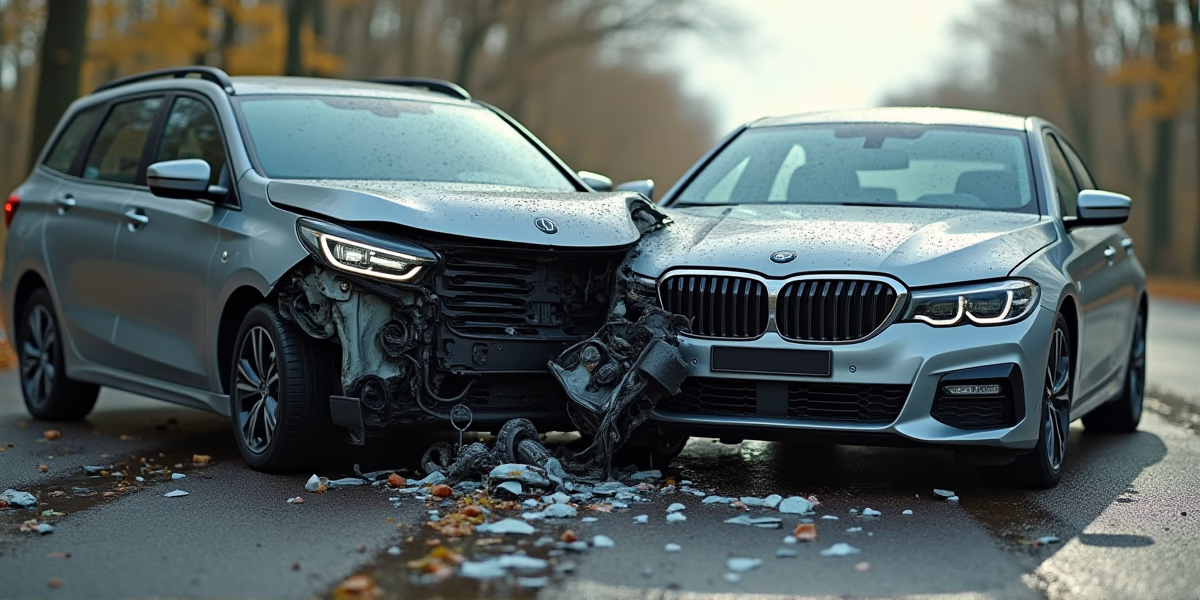
What If The Driver Who Hit Me Left The Scene?

When a driver leaves the scene of an accident, it immediately elevates the complexity of your claim. It’s not simply a matter of filing with the at-fault driver’s insurance; you’re now dealing with a potential hit-and-run, which carries both civil and criminal implications. The first step is to report the incident to the police immediately. A police report is crucial for establishing a clear record of the accident and initiating an investigation to identify the fleeing driver. Even without immediate identification, the report will be vital for pursuing your claim.
California law provides a **two-year** window from the date of the motorcycle accident to file a lawsuit for personal injury. Because evidence at a crash scene—such as skid marks or GoPro footage—can disappear quickly, immediate filing is critical to preserve the integrity of the claim.
As a personal injury attorney with over 13 years of experience representing motorcyclists in San Diego, I’ve seen countless cases where the fleeing driver is never found. However, that doesn’t automatically mean you’re without recourse. Having been trained by a former insurance defense attorney, I possess intimate knowledge of how insurance companies evaluate, devalue, and deny claims, and I can navigate these complexities to maximize your recovery. I understand the tactics they employ and can build a strong case even with limited information.
What are my options if the driver isn’t identified?
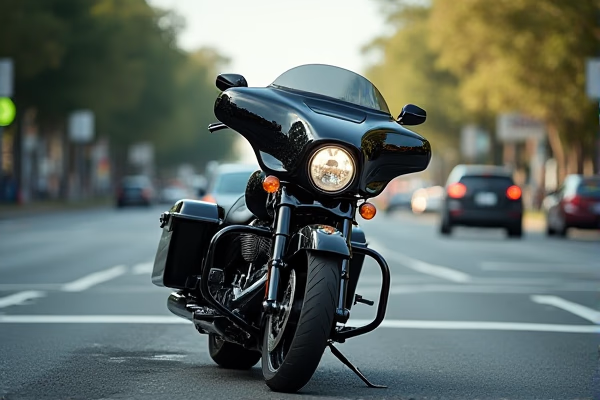
If the police are unable to identify the driver, you may still be able to recover compensation through your own insurance policy. Uninsured Motorist (UM) coverage is designed specifically for situations like this. It steps in when the at-fault driver is unknown or lacks insurance. The limits of your UM coverage will dictate the maximum amount you can recover, so it’s essential to review your policy carefully. Even if your UM limits are modest, it’s a valuable source of recovery in a hit-and-run scenario.
Additionally, you may be eligible for compensation from the California Victim Compensation Board (CalVCB). This state-funded program provides financial assistance to victims of violent crimes, including hit-and-run accidents. CalVCB can help cover medical expenses, lost wages, and other related costs. The application process can be complex, and it’s often beneficial to have an attorney assist you.
Can I still pursue a claim for pain and suffering if the driver is unknown?
Yes, absolutely. While identifying the driver simplifies the process, it doesn’t preclude you from seeking compensation for your pain and suffering, emotional distress, and other non-economic damages. You can pursue these damages through your UM coverage or a claim with CalVCB. Documenting your injuries thoroughly—through medical records, therapy notes, and personal journals—is crucial for establishing the extent of your suffering.
California is a ‘pure’ comparative fault system applies to motorcycle claims. Even if a driver argues you shared responsibility due to speed or positioning, you can still recover damages; however, your total compensation will be reduced by your percentage of fault.
What if I have collision coverage on my motorcycle insurance?
If you carry collision coverage, your insurance company will likely cover the damage to your motorcycle, regardless of who was at fault. However, collision coverage typically has a deductible, and it won’t cover your personal injuries. It’s important to understand the limitations of your collision coverage and how it interacts with your UM coverage. Filing a collision claim may also impact your premiums, so it’s wise to discuss the potential consequences with your insurance agent.
How long do I have to file a claim after a hit-and-run accident?
The statute of limitations for personal injury claims in California is generally **two years** from the date of the accident. However, it’s crucial to act quickly, even within that two-year timeframe. Evidence can disappear, witnesses’ memories can fade, and insurance companies may become less cooperative as time passes. Promptly reporting the accident to the police and consulting with an attorney will help protect your rights and ensure you don’t miss any critical deadlines.
What evidence should I gather if the driver fled the scene?
Gathering as much evidence as possible is paramount, even if the driver remains unidentified. This includes:
- Police Report: Obtain a copy of the official police report.
- Photos/Videos: Take photos of the accident scene, your injuries, and any damage to your motorcycle. If you have a GoPro or dashcam footage, preserve it immediately.
- Witness Information: If there were any witnesses, collect their contact information.
- Medical Records: Keep detailed records of all medical treatment, therapy sessions, and related expenses.
- Lost Wage Documentation: Document any lost income resulting from your injuries.
What if the police eventually identify the driver?
If the police successfully identify the driver after you’ve already filed a claim with your UM coverage or CalVCB, the situation becomes more complex. Your insurance company may have subrogation rights, meaning they can seek reimbursement from the at-fault driver’s insurance. It’s essential to consult with an attorney to understand your rights and ensure you’re not held responsible for any costs recovered by your insurance company.
What role does a witness play in a hit-and-run motorcycle accident claim?
Witness testimony can be incredibly valuable in a hit-and-run case, especially when the driver is unknown. A witness who saw the accident can provide crucial details about the driver’s vehicle, direction of travel, and any other identifying information. If you have contact information for any witnesses, share it with the police and your attorney. Their testimony can significantly strengthen your claim and help you recover the compensation you deserve.
How does my own policy limits affect my recovery in a hit-and-run case?
Your own policy limits, specifically your UM coverage, directly cap the maximum amount you can recover. If your UM limits are low, it may not fully cover your medical expenses, lost wages, and pain and suffering. It’s important to review your policy carefully and understand the extent of your coverage. If your UM limits are insufficient, you may need to explore other options, such as CalVCB or potential legal action against the driver if they are later identified.
What if the driver was operating a borrowed vehicle?
If the driver who fled the scene was operating a vehicle borrowed from a friend or family member, you may be able to pursue a claim against the vehicle owner under the theory of negligent entrustment. This means the owner is liable if they permitted an unfit or incompetent driver to operate their car, leading to a collision with a motorcyclist. This is a vital tool for recovery when the at-fault driver was operating a vehicle borrowed from a friend or family member.