What Insurance Applies To Rental Truck Accidents?

Rental truck accidents are often more complex than standard car crashes. Unlike personal vehicle accidents where your own auto insurance is the primary source of coverage, rental truck claims involve multiple potential layers of insurance, each with its own rules and limitations. Understanding these layers is crucial to maximizing your recovery and avoiding common pitfalls.
The first place to look is your rental agreement. Most rental companies offer several insurance options, including Collision Damage Waiver (CDW), Supplemental Liability Insurance (SLI), and Uninsured/Underinsured Motorist Protection. However, these are not traditional insurance policies. CDW typically covers damage to the rental truck itself, while SLI provides liability coverage for injuries or property damage you cause to others. Uninsured/Underinsured Motorist Protection protects you if you’re hit by a driver with no insurance or insufficient coverage.
I’ve been practicing personal injury law in San Diego for over 13 years, and I’ve seen countless cases where clients mistakenly rely solely on the rental company’s insurance, only to discover it’s inadequate. I was trained by a former insurance defense attorney, giving me intimate knowledge of how insurance companies evaluate, devalue, and deny claims. This experience allows me to anticipate their tactics and build a stronger case for my clients.
What types of insurance coverage might apply in a rental truck accident?
Several types of insurance can potentially cover damages in a rental truck accident. The primary sources are the rental agreement’s coverage, the other driver’s liability insurance, and your own personal auto insurance policy. It’s important to review all available policies to determine the best course of action. Subrogation rights can also come into play, where the rental company seeks reimbursement from the at-fault driver’s insurance.
The other driver’s insurance is often the most significant source of recovery. If the other driver was at fault, their liability insurance should cover your medical bills, lost wages, and pain and suffering. However, proving fault can be challenging, especially in complex accidents involving multiple vehicles or unclear circumstances. Gathering evidence, such as police reports, witness statements, and photos of the scene, is essential.
Don’t overlook your own auto insurance policy. Even though you were driving a rental truck, your personal policy may provide coverage, particularly if you have Uninsured/Underinsured Motorist Protection. This can be especially helpful if the other driver was uninsured or underinsured.
What if the rental truck company claims I should have purchased their insurance?
Rental companies aggressively market their insurance options, often creating a sense of urgency and fear. While purchasing their insurance may provide additional coverage, it’s not always necessary. Your existing auto insurance policy or credit card benefits may already offer sufficient protection. Carefully review the terms and conditions of your existing policies before making a decision.
Furthermore, even if you didn’t purchase the rental company’s insurance, you may still be able to recover damages from the other driver’s insurance. The rental company’s insurance is typically considered secondary coverage, meaning it only kicks in after all other available sources have been exhausted. It’s crucial to understand your rights and options before accepting a settlement offer from the rental company.
It’s also important to remember that the rental agreement itself is a contract. If the rental company attempts to enforce a clause that is unfair or illegal, you may have grounds to challenge it. For example, some rental agreements contain waivers of liability that attempt to limit the company’s responsibility for its own negligence.
What if the accident involved a government vehicle or roadway hazard in San Diego?
If the accident involved a government-owned vehicle or a dangerous road condition maintained by a public entity, the claims process becomes significantly more complex. You **MUST** present a formal administrative claim within **6 months** (180 days) of the accident. Failure to meet this strict deadline under the Government Tort Claims Act can result in the permanent loss of your right to recover. This is a non-negotiable requirement in California.
Government entities often have sovereign immunity, which limits their liability. They are not automatically responsible for all accidents that occur on their property or involving their vehicles. You must prove that the government entity was negligent in some way, such as failing to maintain the roadway or properly train its employees. This often requires expert testimony and extensive documentation.
Navigating the Government Tort Claims Act requires specialized knowledge and experience. It’s highly recommended to consult with an attorney as soon as possible to ensure that your claim is properly filed and documented.
What happens if the truck driver was an independent contractor, not an employee?
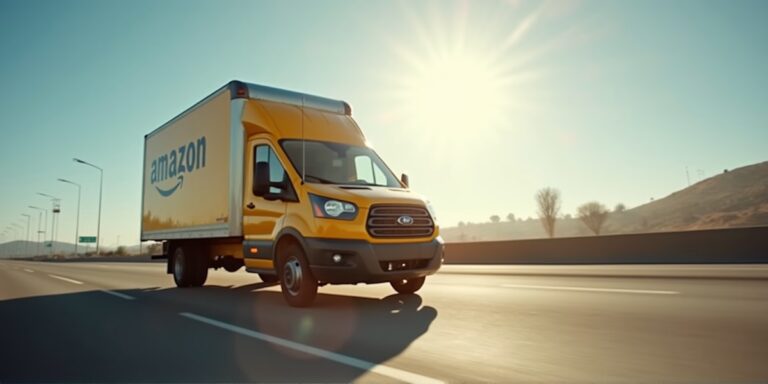
Determining whether a truck driver is an employee or an independent contractor is a critical issue in many rental truck accidents. California’s ‘ABC test’ determines if a delivery driver (Amazon/FedEx) is an employee or contractor. Even if labeled a ‘contractor,’ a company may be liable if they exercise control over the driver’s work, a key factor in San Diego delivery truck litigation. If the driver is deemed an employee, the trucking company is directly liable for their negligence under the doctrine of respondeat superior.
However, if the driver is an independent contractor, the trucking company may not be liable unless it was negligent in hiring or supervising the driver. This can be a complex legal issue, requiring a thorough investigation of the driver’s employment history and the company’s hiring practices.
Evidence of control, such as the company’s ability to dictate the driver’s schedule, routes, and methods of operation, is crucial in establishing employee status. This often requires obtaining employment records, contracts, and witness statements.
What should I do if the insurance company asks me to give a recorded statement?
Insurance companies often request recorded statements from claimants shortly after an accident. While you are not legally obligated to provide a statement, doing so can be detrimental to your claim. Insurance adjusters are trained to ask leading questions and elicit information that can be used to devalue or deny your claim. It’s best to politely decline the request and consult with an attorney before providing any statement.
If you do choose to give a statement, be careful to answer only the questions asked and avoid providing any unsolicited information. Do not speculate or guess about anything you’re unsure of. Remember that anything you say can be used against you later in the claims process.
Furthermore, insurance companies may attempt to record your statement without your knowledge or consent. It’s important to be aware of your rights and protect yourself from unfair tactics. Always ask for a copy of the recorded statement and review it carefully before signing anything.