What Should I Do After A Tow Truck Collision?

Tow truck collisions present a unique set of legal challenges. Unlike typical car accidents, they often involve multiple parties – the tow truck company, the driver, the vehicle owner being towed, and potentially even the entity that requested the tow. Determining liability can be complex, and insurance companies will aggressively attempt to minimize their payouts. That’s why it’s crucial to understand your rights and take the right steps immediately following a collision.
The first thing you need to do is ensure your immediate safety. If possible, move your vehicle to a safe location away from traffic. Then, call 911 to report the accident and request medical attention, even if you don’t feel seriously injured at the scene. Adrenaline can mask pain, and some injuries may not be immediately apparent. Document everything you can – take photos of the damage to all vehicles involved, the accident scene, and any visible injuries. Exchange information with the tow truck driver and any witnesses. But be careful about what you say; avoid admitting fault or providing detailed statements to the insurance company.
I’ve been practicing personal injury law in San Diego for over 13 years, and I’ve seen firsthand how insurance companies exploit accident victims who aren’t prepared. I was trained by a former insurance defense attorney, giving me intimate knowledge of how these companies evaluate, devalue, and deny claims. This insight allows me to build strong cases and fight for the maximum compensation my clients deserve.
What types of compensation can I recover after a tow truck accident?
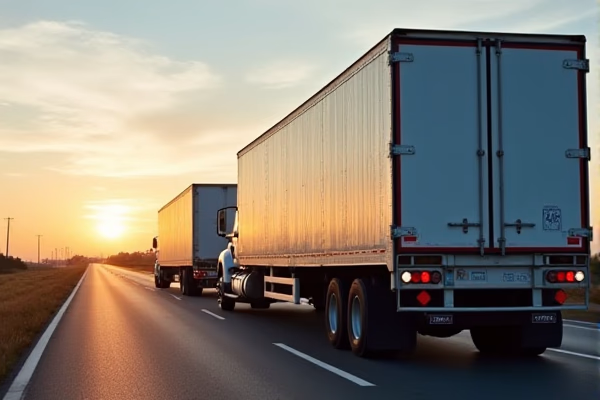
Depending on the circumstances of the accident, you may be entitled to recover a variety of damages. These can include medical expenses (past and future), lost wages, pain and suffering, property damage, and even loss of consortium (loss of companionship for your spouse). In some cases, you may also be able to recover punitive damages if the tow truck driver’s actions were particularly reckless or negligent. It’s important to remember that insurance companies are not on your side; they are looking to protect their bottom line. A skilled attorney can help you identify all potential sources of recovery and negotiate a fair settlement.
Furthermore, the specific type of tow truck operation matters. Was it a private tow, a recovery for law enforcement, or part of a larger roadside assistance program? Each scenario brings different insurance policies and potential avenues for recovery into play. For example, if the tow truck was operating under a contract with a government agency, you may need to file a claim against the government entity within a very specific timeframe.
Understanding these nuances is critical, and that’s where an experienced attorney can make all the difference. Don’t try to navigate this complex legal landscape on your own.
How does California law affect my claim against a tow truck company?
California law places a significant responsibility on tow truck companies to operate their vehicles safely and responsibly. They are required to maintain adequate insurance coverage and adhere to strict safety regulations. Under the doctrine of **vicarious liability** (respondeat superior), a principal is responsible to third persons for the negligence of their agent in the transaction of business. This holds the trucking company legally liable for the wrongful acts of its drivers committed within the scope of their employment. Civ. Code § 2338 is the foundational statute for this principle.
Additionally, California’s ‘pure’ comparative fault system applies to trucking claims. Even if a truck driver argues you shared responsibility, you can still recover damages; however, your total compensation will be reduced by your percentage of fault. Civ. Code § 1714 outlines the rules for determining comparative fault in California.
It’s also important to be aware of the statute of limitations. In California, you generally have **two-year** window from the date of the truck accident to file a lawsuit. Because trucking companies often begin evidence destruction (like purging ELD data) as soon as the law allows, immediate filing is critical to preserve the integrity of the claim. CCP § 335.1 governs these deadlines.
What if the tow truck driver was working as an independent contractor?
Determining whether a tow truck driver is an employee or an independent contractor can significantly impact your claim. If the driver is classified as an independent contractor, it may be more difficult to hold the tow truck company liable. However, California’s ‘ABC test’ determines if a delivery driver (Amazon/FedEx) is an employee or contractor. Even if labeled a ‘contractor,’ a company may be liable if they exercise control over the driver’s work, a key factor in San Diego delivery truck litigation. Labor Code § 2775 provides the framework for this analysis.
The level of control the company exerts over the driver’s operations – such as dictating routes, schedules, or safety procedures – is a key factor in this determination. An experienced attorney can investigate the driver’s employment relationship and determine the appropriate course of action.
The complexities of these cases require a thorough understanding of California employment law and a willingness to fight for your rights.
Should I give a recorded statement to the tow truck company’s insurance adjuster?
Absolutely not, without first consulting with an attorney. Insurance adjusters are trained to minimize payouts, and they will use your recorded statement against you. They may ask leading questions designed to elicit information that weakens your claim. They’re looking for any admission of fault, even unintentional ones.
Remember, you are not obligated to provide a statement to the insurance company. In fact, it’s generally best to avoid any direct communication with them until you have legal representation. Let an attorney handle all communication on your behalf.
Protect yourself and your claim by exercising your right to remain silent.
What if I have medical liens that need to be resolved?
Medical liens are claims filed by healthcare providers for unpaid medical bills related to your injuries. They can complicate the settlement process, as the insurance company will often attempt to reduce the amount of your recovery to account for these liens. It’s important to understand your rights and options regarding medical liens.
An experienced attorney can negotiate with the healthcare providers to reduce the liens and ensure that you receive the maximum compensation possible. We can also explore options for resolving the liens through a structured settlement or other creative solutions.
Don’t let medical liens derail your claim. Let us handle the negotiations and protect your financial interests.