What Should I Do After A Truck Accident In Escondido?

The immediate aftermath of a truck accident is chaotic, and knowing what steps to take can significantly impact your ability to recover fair compensation. Unlike a collision with another passenger vehicle, truck accidents often involve complex investigations, multiple parties, and substantial insurance coverage. It’s not enough to simply exchange information and file a police report. You need a strategic approach, and that begins with understanding your rights and protecting your claim.
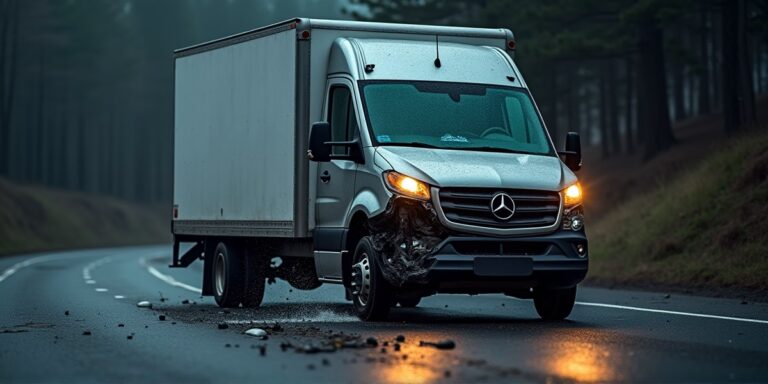
One of the first things I advise my clients to do is secure the scene as much as possible. If you are able, document the accident with photos and videos, including the damage to all vehicles involved, the surrounding roadway, and any visible injuries. However, prioritize your health and safety above all else. Do not attempt to move injured parties unless absolutely necessary. Call 911 immediately to report the accident and request medical attention, even if you don’t feel seriously injured at first. Internal injuries can sometimes take hours or days to manifest.
As a personal injury attorney practicing in San Diego for over 13 years, I’ve seen firsthand how insurance companies attempt to minimize payouts in truck accident cases. I was trained by a former insurance defense attorney, giving me intimate knowledge of how they evaluate, devalue, and deny claims. They’ll often send adjusters to the scene quickly, and while they may appear helpful, remember that their primary goal is to protect their bottom line, not your financial well-being. It’s crucial to avoid making any statements to the insurance company without first consulting with legal counsel.
What types of evidence are important to gather after a truck accident?
Collecting and preserving evidence is paramount. Beyond the initial photos and videos at the scene, gather any available information, including the truck driver’s logbook (if accessible), the truck’s maintenance records, and the police report. If there were any witnesses, obtain their contact information. Any dashcam footage from your vehicle or nearby cameras can be invaluable. Don’t forget to document all medical treatments, bills, and lost wages related to the accident. Keep a detailed journal of your pain, symptoms, and how the injuries are impacting your daily life.
The Electronic Logging Device (ELD) data is particularly important. Federal Hours of Service (HOS) regulations dictate exactly how long a driver can be behind the wheel. Violations of these federal safety standards, often proven through Electronic Logging Device (ELD) data, are used to demonstrate driver fatigue. Trucking companies are required to maintain these records, and we often subpoena them as part of our investigation.
What if the truck driver wasn’t directly at fault?
Determining fault in a truck accident can be complex. While the driver may be directly responsible, liability could also extend to the trucking company, the manufacturer of the truck, or even a third-party maintenance provider. For example, if the accident was caused by faulty brakes, we would investigate the maintenance history of the truck and potentially pursue a claim against the company responsible for its upkeep. Under the doctrine of vicarious liability (respondeat superior), a principal is responsible to third persons for the negligence of their agent in the transaction of business. This holds the trucking company legally liable for the wrongful acts of its drivers committed within the scope of their employment.
Negligent hiring or training practices can also be a factor. If the trucking company failed to properly vet the driver’s background or provide adequate training, they could be held liable for the accident. This is critical in cases where the driver has a history of FMCSA violations or lacked the proper CDL endorsements.
How long do I have to file a lawsuit after a truck accident in California?
In California, the Statute of Limitations for personal injury claims is generally two years from the date of the accident. However, this timeframe can be affected by various factors, such as the severity of your injuries and the involvement of government entities. Because trucking companies often begin evidence destruction (like purging ELD data) as soon as the law allows, immediate filing is critical to preserve the integrity of the claim.
It’s essential to consult with an attorney as soon as possible to ensure you don’t miss any critical deadlines.
What should I expect when dealing with the truck driver’s insurance company?
Be prepared for a challenging process. The insurance company will likely attempt to minimize your damages and may even try to blame you for the accident. They may request a recorded statement, which you should absolutely refuse without legal counsel present. They’ll also likely ask you to sign a release of medical records, which could be used against you later on. It’s crucial to understand your rights and avoid making any concessions that could jeopardize your claim.
I strongly advise my clients to let me handle all communications with the insurance company. I have the experience and knowledge to navigate the complexities of truck accident claims and protect your best interests.
What if the accident involved a government vehicle or roadway in San Diego?
If a truck accident involves a government-owned vehicle or a dangerous road condition maintained by a public entity, a formal administrative claim MUST be presented within 6 months (180 days). Failure to meet this strict deadline under the Government Tort Claims Act can result in the permanent loss of your right to recover. This claim must include specific details about the accident, your injuries, and the damages you’re seeking.
The process of filing a government claim can be complex, and it’s essential to follow all procedures carefully. I have extensive experience handling these types of claims in San Diego and can ensure your claim is properly filed and documented.