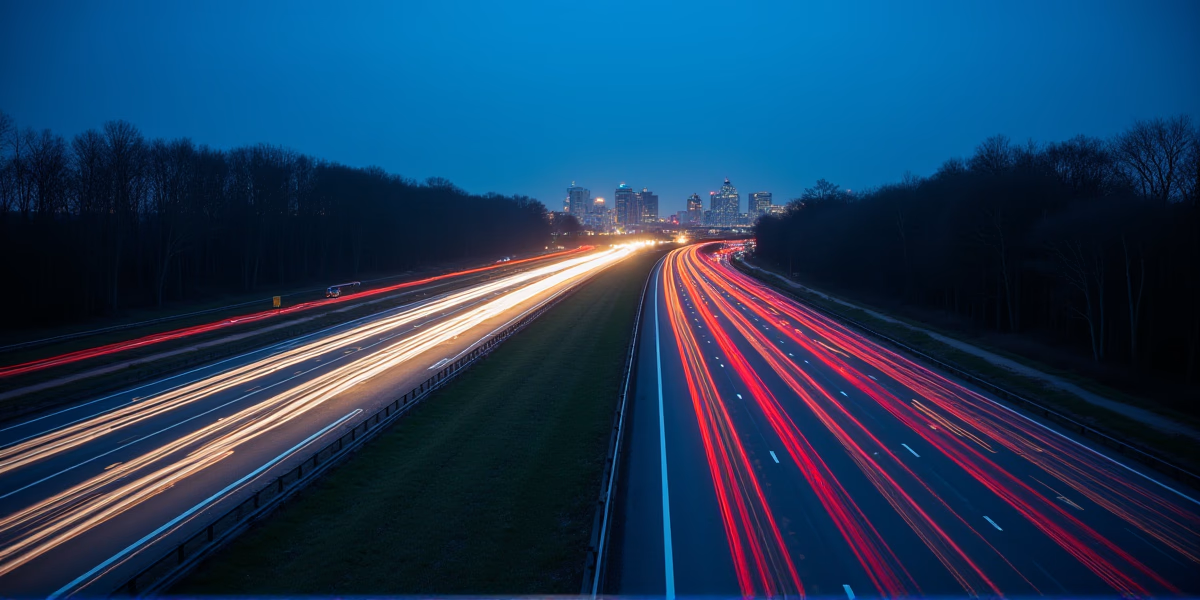
What If The Accident Happened At Night?

Motorcycle accidents at night present unique challenges in establishing liability. While the principles of negligence remain the same – proving the other driver failed to exercise reasonable care – the factors contributing to the crash and the evidence needed to support your claim can be significantly different. Reduced visibility, impaired drivers, and the potential for misidentification all complicate matters. That’s why it’s crucial to understand your rights and take immediate steps to protect your claim.
One of the biggest hurdles in nighttime motorcycle accident cases is proving what happened. Unlike daytime collisions where there are often numerous witnesses and clear visibility, nighttime accidents often rely heavily on limited evidence. This is where a thorough investigation becomes paramount. We’ll meticulously examine the police report, gather witness statements (if any), and analyze any available data from the vehicles involved, including event data recorders (EDR) or dashcam footage. It’s also critical to assess the lighting conditions at the scene and determine if any streetlights were malfunctioning or obstructed.
As a personal injury attorney with over 13 years of experience practicing in San Diego, I’ve handled countless motorcycle accident cases, including many that occurred at night. I was trained by a former insurance defense attorney, giving me intimate knowledge of how insurance companies evaluate, devalue, and deny claims. They will look for any opportunity to shift blame to the rider, so it’s essential to have an advocate who understands their tactics and can build a strong case on your behalf.
Can I Still Recover Damages if the Other Driver Didn’t See Me?
Yes, absolutely. The fact that the other driver didn’t *see* you doesn’t automatically absolve them of responsibility. Drivers have a duty to maintain a proper lookout and exercise reasonable care while operating a vehicle, regardless of the time of day. If they were speeding, distracted, or otherwise negligent, they can still be held liable for your injuries, even if they claim they didn’t see you. We’ll focus on establishing their negligence through evidence like speed data, cell phone records, and witness testimony.
However, proving negligence in a nighttime accident can be more complex. We may need to hire accident reconstruction experts to analyze the crash dynamics and determine the driver’s speed and trajectory. It’s also important to document any contributing factors, such as poor lighting or obstructed visibility.
What Role Does Lighting Play in a Nighttime Motorcycle Accident?
Lighting conditions are a critical factor in nighttime motorcycle accidents. If streetlights were malfunctioning or obstructed by trees or other objects, it can significantly reduce visibility and increase the risk of a collision. In these cases, we may investigate whether the city or responsible party was negligent in maintaining the lighting infrastructure.
We’ll also examine the other driver’s headlights. Were they properly functioning? Were they aimed correctly? If the driver’s headlights were defective or improperly adjusted, it can contribute to their inability to see you. CVC § 21801 outlines the duty of drivers to yield the right-of-way, and this includes ensuring adequate visibility.
How Does Alcohol or Drug Impairment Affect My Claim?
If the other driver was under the influence of alcohol or drugs, it significantly strengthens your claim. Driving under the influence is a serious offense, and it’s a clear indication of negligence. We’ll work with law enforcement to obtain any evidence of intoxication, such as blood alcohol content (BAC) results or witness statements.
Proving intoxication can also open the door to punitive damages, which are designed to punish the defendant for their reckless behavior and deter others from similar conduct. CVC § 23152(a) defines the crime of driving under the influence, and Civ. Code § 3294 outlines the requirements for pursuing punitive damages.
What if There Were No Witnesses to the Accident?
The lack of witnesses doesn’t necessarily mean you can’t recover damages. While witness testimony is valuable, it’s not the only form of evidence. We’ll focus on gathering any available data from the vehicles involved, such as event data recorders (EDR) or dashcam footage. We’ll also examine the police report, photos of the scene, and your medical records.
In some cases, we may hire accident reconstruction experts to analyze the crash dynamics and determine the cause of the collision. Even without witnesses, we can often build a strong case based on the available evidence.
How Long Do I Have to File a Lawsuit After a Nighttime Motorcycle Accident?
In California, you have a limited amount of time to file a lawsuit after a motorcycle accident. Generally, you have **two years** from the date of the accident to initiate legal proceedings. Because evidence at a crash scene—such as skid marks or GoPro footage—can disappear quickly, immediate filing is critical to preserve the integrity of the claim. CCP § 335.1 outlines the statute of limitations for personal injury claims.
It’s important to act quickly and consult with an attorney as soon as possible after the accident. We can help you gather the necessary evidence, investigate the claim, and file a lawsuit within the statutory deadline.
What Should I Do If the Police Report is Incorrect?
Police reports are not always accurate or complete. They are often based on preliminary information and may contain errors or omissions. If you believe the police report is incorrect, it’s important to take steps to correct it. We can help you review the report, gather additional evidence, and submit a supplemental report to the police department.
It’s also important to remember that the police report is not the final determination of fault. The ultimate decision will be made by a judge or jury based on the evidence presented at trial.
What if the Other Driver Had Limited Insurance Coverage?
If the other driver had limited insurance coverage, it may not be enough to cover your medical expenses, lost wages, and other damages. In these cases, you may be able to pursue a claim under your own Uninsured Motorist (UM) coverage. Ins. Code § 11580.2 requires insurers to offer UM coverage, which can provide financial protection if you’re hit by an uninsured driver.
We can help you review your insurance policy and determine the extent of your UM coverage. We’ll also investigate whether the other driver had any other assets that could be used to satisfy your claim.
How Can I Preserve Evidence After a Nighttime Motorcycle Accident?
Preserving evidence is crucial in any motorcycle accident case, but it’s especially important in nighttime accidents where there may be limited visibility. Here are some steps you can take to preserve evidence:
- Take photos of the scene: Capture images of the vehicles involved, any damage, streetlights, and any other relevant details.
- Gather witness information: If there were any witnesses, obtain their names and contact information.
- Obtain a copy of the police report: Request a copy of the police report from the investigating officer.
- Seek medical attention: Even if you don’t feel seriously injured, it’s important to seek medical attention as soon as possible.
- Document your injuries and expenses: Keep track of all your medical bills, lost wages, and other expenses related to the accident.
We can also help you preserve evidence by sending a spoliation letter to the other driver, requesting that they preserve any relevant data from their vehicle.