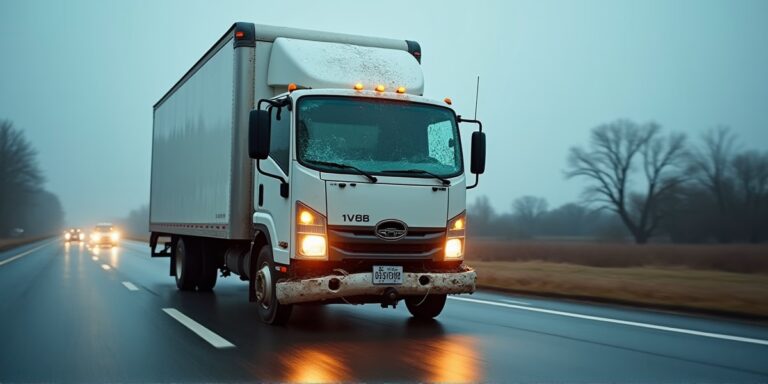

Who Is Responsible For A Truck Accident In San Diego?

Determining responsibility in a truck accident is rarely straightforward. Unlike a typical car crash involving two private citizens, trucking accidents often involve multiple parties, complex regulations, and significant insurance coverage. It’s not simply a matter of pointing to the driver at fault. While the truck driver’s negligence is often a factor, liability can extend far beyond the person behind the wheel.
The trucking industry is heavily regulated, and for good reason. Commercial vehicles pose a greater risk to public safety due to their size and weight. Federal and state laws govern everything from driver hours and vehicle maintenance to cargo securement and proper licensing. When these regulations are violated, it can create a strong foundation for a negligence claim. Often, the trucking company itself bears significant responsibility, even if the driver was directly at fault.
I’ve been practicing personal injury law in San Diego for over 13 years, and I’ve seen firsthand how insurance companies attempt to minimize payouts in truck accident cases. I was trained by a former insurance defense attorney, giving me intimate knowledge of how they evaluate, devalue, and deny claims. This experience allows me to anticipate their tactics and build a stronger case for my clients.
What types of parties could be held liable in a San Diego truck accident?
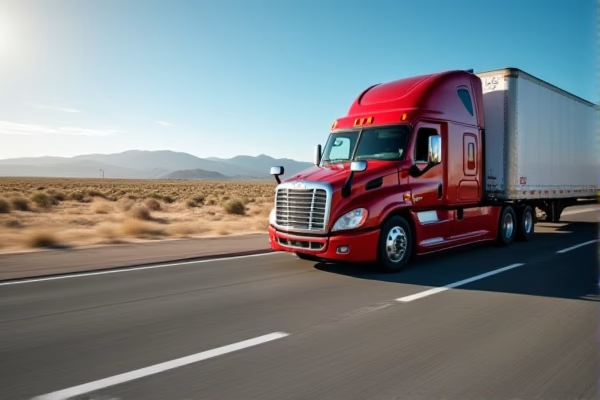
Several entities could potentially be responsible for damages in a truck accident. These include the truck driver, the trucking company, the owner of the truck (which may be different than the company employing the driver), the manufacturer of the truck or its components if a defect contributed to the crash, and even the company that loaded or secured the cargo. A thorough investigation is crucial to identify all potentially liable parties.
For example, if the accident was caused by a faulty brake system, the truck manufacturer could be held liable under product liability laws. If the driver was improperly trained or hired without a proper background check, the trucking company could be responsible for negligent hiring or supervision. And if the cargo was not properly secured, the loading company could share in the liability.
It’s important to remember that multiple parties can be held liable simultaneously. This is why it’s critical to consult with an attorney experienced in truck accident litigation to ensure that all responsible parties are identified and pursued for compensation.
What role do federal regulations play in determining liability?
Federal regulations, outlined in 49 CFR § 395, govern nearly every aspect of commercial trucking operations. These regulations cover driver qualifications, hours of service limitations, vehicle maintenance requirements, and cargo securement procedures. Violations of these regulations can be considered evidence of negligence, even if they didn’t directly cause the accident.
For instance, if the driver was operating the truck outside of their permitted hours of service, it could be evidence of fatigue and impaired judgment. Similarly, if the truck’s maintenance records are incomplete or show a history of unresolved safety issues, it could indicate a lack of proper vehicle upkeep. These violations can significantly strengthen a claim against the trucking company.
Electronic Logging Devices (ELDs) are now mandatory for most commercial vehicles, providing a digital record of driver hours and activity. Analyzing ELD data can be crucial in uncovering violations of federal regulations and establishing liability.
How does California’s comparative fault rule affect a truck accident claim?
California operates under a ‘pure’ comparative fault system, as defined by Civ. Code § 1714. This means that even if you were partially at fault for the accident, you can still recover damages. However, your total compensation will be reduced by your percentage of fault. For example, if you are found to be 20% responsible for the accident, your recovery will be reduced by 20%.
Insurance companies often attempt to assign a significant portion of fault to the victim to minimize their payout. It’s important to have an attorney who can thoroughly investigate the accident, gather evidence, and present a strong defense against any claims of comparative negligence.
Establishing your own percentage of fault is critical. This often involves reconstructing the accident, analyzing police reports, and gathering witness testimony.
What if the truck driver was an independent contractor, not a direct employee?
Determining whether a truck driver is an employee or an independent contractor can be complex. California’s ‘ABC test,’ outlined in Labor Code § 2775, is used to classify workers. Even if a driver is labeled as a ‘contractor,’ the company may still be liable if they exercise control over the driver’s work. Factors considered include who provides the truck, who sets the routes and schedules, and who controls the driver’s day-to-day operations.
If the company exerts significant control over the driver, they may be considered a ‘de facto’ employer, even if they’ve classified them as an independent contractor. This can significantly expand the scope of potential liability.
This is a common tactic used by trucking companies to avoid responsibility. An experienced attorney can investigate the driver’s employment relationship and determine whether the company should be held liable for their actions.
What is the deadline for filing a lawsuit after a truck accident in San Diego?
In California, you generally have **two years** from the date of the truck accident to file a lawsuit, as outlined in CCP § 335.1. However, because trucking companies often begin evidence destruction (like purging ELD data) as soon as the law allows, immediate filing is critical to preserve the integrity of the claim. Delaying can jeopardize your ability to recover compensation.
Furthermore, if the accident involved a government-owned vehicle or a dangerous road condition maintained by a public entity, a formal administrative claim **MUST** be presented within **6 months** (180 days) under the Government Tort Claims Act (Gov. Code § 911.2). Failure to meet this strict deadline can result in the permanent loss of your right to recover.
Don’t wait to seek legal counsel. The sooner you contact an attorney, the sooner they can begin investigating your claim and protecting your rights.
What should I do if an insurance adjuster asks me to give a recorded statement?
Insurance adjusters often request recorded statements early in the claims process. While it may seem harmless, giving a recorded statement can be detrimental to your claim. Adjusters are trained to ask leading questions designed to minimize your damages and identify weaknesses in your case. They are not on your side.
Politely decline the request for a recorded statement and refer the adjuster to your attorney. An attorney can advise you on whether and when it’s appropriate to provide a statement, and they can prepare you for the questions you may face.
It’s crucial to remember that anything you say in a recorded statement can be used against you later in the litigation process.
How do medical liens affect my truck accident settlement?
If you received medical treatment for your injuries, the healthcare providers may file a medical lien against your settlement proceeds. A medical lien is a legal claim against your recovery to ensure that they are compensated for their services. Negotiating these liens can be complex, and it’s important to have an attorney who can advocate on your behalf.
Often, medical liens can be reduced significantly through negotiation. An attorney can review the lien, assess the reasonableness of the charges, and work to obtain a fair settlement with the healthcare providers. ER billing and medical liens can be very different, and an attorney can help you understand the difference.
Understanding the nuances of medical liens is crucial to maximizing your net recovery.
What if the trucking company tenders its policy limits to settle my claim?
When an insurance company tenders its policy limits, it means they are offering to pay the maximum amount available under the policy to settle your claim. While this may seem like a good offer, it’s important to carefully consider whether it adequately compensates you for your injuries and damages.
An attorney can evaluate the policy limits, assess the full extent of your damages (including medical expenses, lost wages, pain and suffering, and future care costs), and advise you on whether to accept the tender. If the policy limits are insufficient, your attorney can explore other avenues for recovery, such as pursuing a claim against other potentially liable parties or seeking additional coverage from excess insurance policies.
Don’t accept a policy limits tender without first consulting with an attorney.
How can dashcam footage and other digital evidence help my truck accident case?
Dashcam footage, ECM/EDR data, ELD logs, and GPS information can be invaluable evidence in a truck accident case. Dashcam footage can provide a visual record of the accident, while ECM/EDR data can reveal information about the truck’s speed, braking patterns, and other critical factors. ELD logs can confirm the driver’s hours of service, and GPS data can track the truck’s location and movements.
Preserving this evidence is crucial. An attorney can immediately send a spoliation letter to the trucking company demanding that they preserve all relevant data. Data overwrite windows can be short, so prompt action is essential.
Analyzing this digital evidence can significantly strengthen your claim and establish liability.
What if I believe the insurance company is intentionally delaying my claim?
Insurance companies often employ delay tactics to discourage claimants from pursuing their claims. These tactics can include requesting excessive documentation, conducting unnecessary investigations, and failing to respond to your inquiries in a timely manner. Recognizing these tactics is the first step in combating them.
An attorney can aggressively pursue your claim, demand timely responses from the insurance company, and file a lawsuit if necessary to protect your rights. California law provides remedies for bad faith insurance practices, and an attorney can explore those options if the insurance company is acting in bad faith.
Don’t let the insurance company stall your claim. An attorney can help you navigate the complexities of the claims process and ensure that you receive the compensation you deserve.