
Who Is Responsible For An Accident In A Bobtail Truck?

The short answer is that liability in a bobtail truck accident hinges on the same principles as any other motor vehicle collision: negligence. However, the complexities surrounding commercial trucking—driver qualifications, maintenance records, and company policies—often make these cases more challenging. Establishing fault requires a thorough investigation into all contributing factors, including driver error, mechanical failures, and adherence to federal and state regulations.
Unlike a typical passenger vehicle accident, a bobtail truck accident often involves multiple potential parties. The driver is always a primary focus, but the trucking company, the owner of the tractor (which may be different from the company employing the driver), and potentially even the maintenance provider could share responsibility. This is because trucking companies have a legal duty to ensure their drivers are properly trained, qualified, and compliant with all safety standards.
I’ve been practicing personal injury law in San Diego for over 13 years, and I’ve seen firsthand how insurance companies attempt to minimize payouts in trucking accidents. I was trained by a former insurance defense attorney, giving me intimate knowledge of how these companies evaluate, devalue, and deny claims. They’ll scrutinize every detail, looking for ways to shift blame or argue that the driver wasn’t negligent. That’s why it’s crucial to have an attorney on your side who understands these tactics and can build a strong case on your behalf.
What Makes a Bobtail Truck Accident Claim Different?
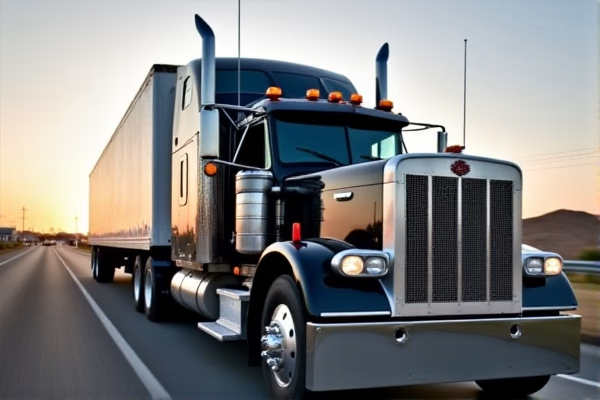
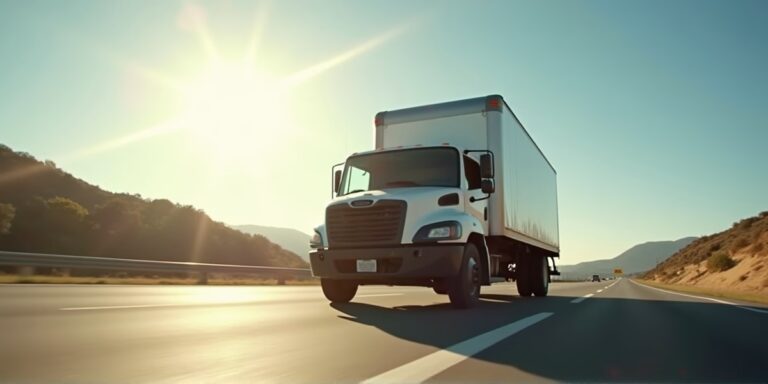
Bobtail trucks, while smaller than fully loaded semis, still weigh significantly more than passenger vehicles. This weight disparity often results in more severe injuries and property damage. Furthermore, the regulations governing commercial vehicles—such as hours of service rules, pre-trip inspections, and driver qualifications—add layers of complexity to the investigation.
A key difference lies in the potential for evidence. Trucking companies are required to maintain detailed records of driver logs, maintenance schedules, and safety inspections. These records can be invaluable in proving negligence, but insurance companies are often reluctant to release them without a legal fight. We routinely utilize discovery tools—including depositions and subpoenas—to obtain this critical information.
Another area of focus is the driver’s training and experience. Was the driver properly licensed and endorsed to operate a bobtail truck? Did they receive adequate training on safe driving practices and the specific hazards associated with operating a commercial vehicle? Any deficiencies in training can be grounds for a claim against the trucking company.
How Does Insurance Work in a Bobtail Truck Accident?
Commercial trucking insurance policies are typically much higher than standard auto insurance policies, reflecting the increased risk associated with operating large vehicles. However, navigating these policies can be complex. There are often multiple layers of coverage—primary liability, excess liability, and potentially even umbrella policies—and determining which policy applies can be challenging.
Insurance companies will often attempt to argue that the driver wasn’t acting within the scope of their employment at the time of the accident, or that the accident was caused by a third party. They may also try to downplay the extent of your injuries or argue that you were partially at fault. It’s essential to have an attorney who can counter these arguments and protect your rights.
Understanding the interplay between the driver’s personal insurance, the trucking company’s policy, and any potential umbrella policies is critical to maximizing your recovery. We have extensive experience dealing with major trucking insurance carriers and know how to effectively negotiate on your behalf.
What Types of Damages Can I Recover in a Bobtail Truck Accident Claim?
If you’ve been injured in a bobtail truck accident, you may be entitled to recover a wide range of damages, including medical expenses, lost wages, property damage, and pain and suffering. In some cases, you may also be able to recover punitive damages if the driver’s conduct was particularly reckless or egregious.
Calculating the full extent of your damages requires a thorough assessment of your medical bills, lost income, and future medical needs. We work with medical experts and economists to accurately quantify your losses and ensure you receive fair compensation for all your injuries.
Beyond the tangible costs of medical bills and lost wages, you’re also entitled to compensation for the emotional distress and diminished quality of life caused by your injuries. This includes pain and suffering, emotional trauma, and loss of enjoyment of life. We understand the profound impact these injuries can have on your life and will fight to ensure you receive the compensation you deserve.
What Should I Do Immediately After a Bobtail Truck Accident?
Following a bobtail truck accident, it’s crucial to take certain steps to protect your legal rights. First, ensure your safety and seek medical attention immediately, even if you don’t feel seriously injured. Then, if possible, gather information about the driver, the trucking company, and any witnesses. Take photos of the accident scene, including the damage to all vehicles involved.
Most importantly, **do not** give a recorded statement to the insurance company without first consulting with an attorney. Insurance adjusters are trained to minimize payouts, and any statements you make can be used against you later. It’s best to let an attorney handle all communications with the insurance company on your behalf.
Preserving evidence is also critical. This includes obtaining a copy of the police report, gathering medical records, and documenting any lost wages or other expenses. We can assist you with all of these tasks and ensure that no critical evidence is overlooked.
What is the Statute of Limitations for Filing a Bobtail Truck Accident Claim in California?
In California, you generally have **two years** from the date of the truck accident to file a lawsuit. Because trucking companies often begin evidence destruction (like purging ELD data) as soon as the law allows, immediate filing is critical to preserve the integrity of the claim. CCP § 335.1
However, there are exceptions to this rule, such as cases involving government entities or minors. It’s essential to consult with an attorney as soon as possible to determine the applicable statute of limitations and ensure your claim is filed on time.
Missing the statute of limitations deadline can result in the permanent loss of your right to recover compensation. Don’t delay—contact an attorney today to discuss your case and protect your legal rights.
What if the Bobtail Truck Driver Was Working as an Independent Contractor?
Determining whether a truck driver is an employee or an independent contractor can be complex. California’s ‘ABC test’ determines if a delivery driver (Amazon/FedEx) is an employee or contractor. Even if labeled a ‘contractor,’ a company may be liable if they exercise control over the driver’s work, a key factor in San Diego delivery truck litigation. Labor Code § 2775
Factors considered include the level of control the company exercises over the driver’s work schedule, the tools and equipment provided, and the method of payment. If the company exercises significant control over the driver, they may be considered an employer, even if they classify the driver as an independent contractor.
Establishing employer-employee status is crucial because it opens the door to claims against the company for negligence, vicarious liability, and other potential causes of action.
What if the Accident Involved a Government Vehicle or Road Hazard?
If a truck accident involves a government-owned vehicle or a dangerous road condition maintained by a public entity, a formal administrative claim **MUST** be presented within **6 months** (180 days). Failure to meet this strict deadline under the Government Tort Claims Act can result in the permanent loss of your right to recover. Gov. Code § 911.2
This claim must be filed with the appropriate government agency and include detailed information about the accident, your injuries, and the damages you’ve incurred. We can assist you with preparing and filing this claim and navigating the complex requirements of the Government Tort Claims Act.
Government claims often require a higher level of scrutiny and documentation than typical personal injury claims. It’s essential to have an attorney on your side who understands these requirements and can effectively advocate for your rights.
What if the Trucking Company is Trying to Limit Their Liability?
Trucking companies often employ various tactics to limit their liability in accident claims. This includes disputing the extent of your injuries, arguing that the driver wasn’t negligent, or claiming that you were partially at fault. They may also try to delay the claims process or offer a low settlement that doesn’t fully compensate you for your losses.
We are experienced in countering these tactics and protecting your rights. We will thoroughly investigate the accident, gather evidence to support your claim, and aggressively negotiate with the insurance company on your behalf.
Don’t let the trucking company intimidate you or pressure you into accepting a settlement that’s less than you deserve. Contact an attorney today to discuss your case and learn more about your legal options.