Do Juries Blame Motorcyclists More Often?

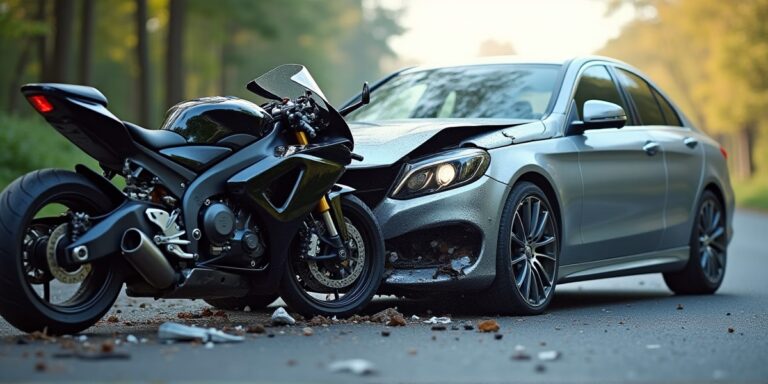
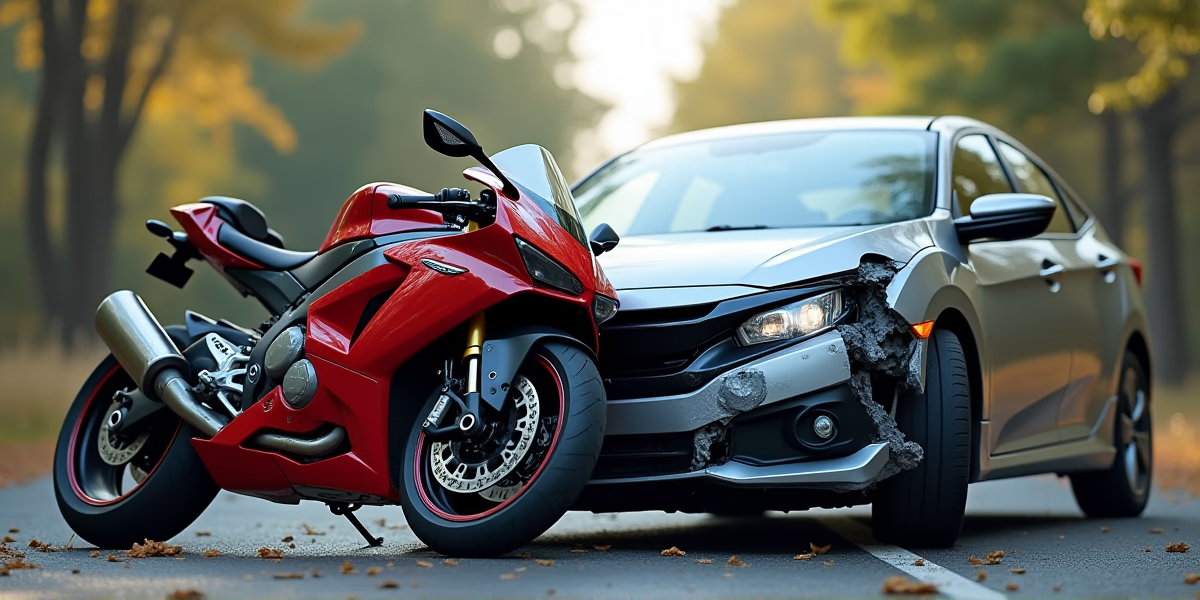
This scenario is far too common. While California law protects motorcyclists’ rights, the unfortunate reality is that jurors can sometimes harbor unconscious biases against riders. These biases often stem from negative stereotypes—the idea that motorcyclists are reckless speed demons or that riding is inherently dangerous. Understanding these potential pitfalls and how to overcome them is crucial to securing fair compensation after an accident.
One of the most significant challenges is the perception of risk. Jurors may assume a higher degree of fault simply because a motorcyclist was involved in an accident, even if the driver was clearly at fault. This is where a thorough investigation and a skilled attorney become essential. We meticulously gather evidence—police reports, witness statements, accident reconstruction data—to demonstrate the driver’s negligence and counter any attempts to shift blame.
I’ve been practicing personal injury law in San Diego for over 13 years, and I’ve seen firsthand how insurance companies exploit these biases. Trained by a former insurance defense attorney, I have intimate knowledge of how they evaluate, devalue, and deny claims. They’ll focus on any perceived infraction by the rider—even minor ones—to reduce their liability. That’s why it’s vital to have an advocate who understands their tactics and can build a compelling case on your behalf.
Are motorcyclists automatically considered at fault in accidents?

No, motorcyclists are not automatically considered at fault. California operates under a comparative fault system, meaning liability is determined based on the negligence of all parties involved. However, the perception of risk can unfairly influence jurors. Insurance companies often attempt to portray motorcyclists as inherently reckless to justify lower settlements. A skilled attorney will focus on establishing the driver’s negligence—speeding, distracted driving, failing to yield—to counter these biases.
It’s important to remember that drivers have a duty of care to all other vehicles on the road, including motorcycles. This includes maintaining a safe following distance, checking blind spots, and obeying traffic laws. Any violation of these duties can form the basis of a negligence claim, regardless of whether a motorcyclist was involved.
What evidence is most helpful in proving a driver was at fault?
Strong evidence is key to overcoming potential biases and securing a favorable outcome. Police reports are a crucial starting point, but they often contain inaccuracies or omissions. Witness statements can provide valuable corroborating testimony, especially if they directly contradict the driver’s account. Accident reconstruction data—skid marks, vehicle damage, and impact angles—can objectively demonstrate the sequence of events.
Increasingly, digital evidence is playing a vital role. Dashcam footage, if available, provides an irrefutable record of the accident. Even data from the vehicles’ Event Data Recorders (EDR) can reveal crucial information about speed, braking, and other factors. We work with expert investigators to analyze this evidence and present a clear and compelling case to the jury.
How does lane splitting affect fault determination?
California law formally recognizes lane splitting as legal, defined as driving a motorcycle between rows of stopped or moving vehicles in the same lane. However, it’s not a free pass. To successfully litigate a lane splitting accident, you must prove the maneuver was performed ‘in a safe and prudent manner.’ This means maintaining a reasonable speed, accounting for traffic conditions, and exercising due care.
Insurance companies will often attempt to argue that lane splitting was inherently dangerous, even if the driver was primarily at fault. We counter this by demonstrating that the rider followed all applicable laws and exercised reasonable caution. This may involve expert testimony on motorcycle safety and lane splitting best practices.
What if the driver claims I wasn’t wearing a helmet?
California is a universal helmet law state, requiring all riders and passengers to wear a safety helmet that meets DOT standards. While a violation may be used by defense counsel to argue for a reduction in damages via comparative fault—specifically regarding head or neck injuries—it does not bar a rider from seeking recovery for other injuries caused by a negligent driver.
The defense will attempt to portray the lack of a helmet as evidence of recklessness, suggesting the rider contributed to their own injuries. We address this by emphasizing that the driver’s negligence was the primary cause of the accident, regardless of helmet usage. Furthermore, we’ll highlight any other safety precautions the rider took, such as wearing protective gear and maintaining a valid motorcycle endorsement.
What should I do if the insurance company is delaying the claims process?
Delay and stalling tactics are common insurance company strategies. They may request repeated statements, demand extensive documentation, or simply fail to respond to your inquiries in a timely manner. This is often a deliberate attempt to wear you down and force you to accept a lower settlement.
It’s crucial to remain patient but persistent. Document all communication with the insurance company, and don’t hesitate to escalate the issue if necessary. An attorney can handle all communication on your behalf, ensuring that your rights are protected and the claims process moves forward efficiently. We’ll file a lawsuit if necessary to compel the insurance company to act in good faith.
What is the statute of limitations for filing a motorcycle accident claim in California?
California law provides a **two-year** window from the date of the motorcycle accident to file a lawsuit for personal injury. Because evidence at a crash scene—such as skid marks or GoPro footage—can disappear quickly, immediate filing is critical to preserve the integrity of the claim.
Waiting too long can jeopardize your ability to recover compensation. Insurance companies may argue that the statute of limitations has expired, effectively barring your claim. It’s essential to consult with an attorney as soon as possible after an accident to ensure that all deadlines are met.
What if the accident involved a government vehicle or a dangerous road condition?
If a motorcycle accident involves a government-owned vehicle or a dangerous road condition like loose gravel, potholes, or poorly marked construction zones, a formal administrative claim **MUST** be presented within **6 months** (180 days). Failure to meet this strict deadline under the Government Tort Claims Act can result in the permanent loss of your right to recover.
These claims are often more complex than standard personal injury cases. The government has specific procedures and requirements that must be followed meticulously. An attorney experienced in government liability claims can ensure that your claim is properly filed and prosecuted.
What if the at-fault driver was operating a borrowed vehicle?
A vehicle owner is liable if they permit an unfit or incompetent driver to operate their car, leading to a collision with a motorcyclist. This is a vital tool for recovery when the at-fault driver was operating a vehicle borrowed from a friend or family member.
Proving negligent entrustment requires demonstrating that the owner knew or should have known the driver was unfit—due to inexperience, intoxication, or a history of reckless driving. We’ll investigate the driver’s background and gather evidence to establish the owner’s liability.
What if the driver made an unsafe lane change or left turn?
Drivers intending to turn left must yield the right-of-way to all vehicles approaching from the opposite direction which are close enough to constitute a hazard. This statute is the primary basis for liability in ‘left-turn’ accidents, which are among the most common and deadly types of motorcycle crashes.
We’ll analyze the accident scene, witness statements, and vehicle data to demonstrate that the driver failed to yield and caused the collision. This may involve expert testimony on traffic laws and accident reconstruction.
Does the at-fault driver’s insurance company need to know if I have a motorcycle endorsement?
It is unlawful to operate a motorcycle in California without a valid Class M1 or M2 endorsement. While lack of an endorsement may lead to a citation, it does not automatically establish fault for an accident unless the lack of skill directly contributed to the collision.
The insurance company may request information about your endorsement as part of their investigation. However, the absence of an endorsement is not necessarily evidence of negligence. We’ll ensure that your rights are protected and that the insurance company does not unfairly use this information against you.