Should I Accept The First Offer After A Motorcycle Accident?

Accepting the first offer after a motorcycle accident is almost always a mistake. Insurance companies are businesses, and their initial offers are strategically calculated to be as low as possible. They rely on the fact that many people are unfamiliar with the legal process, overwhelmed by medical bills, and eager to settle quickly. This initial offer rarely accounts for the full scope of your damages, and you could be leaving significant money on the table.
The initial offer typically only covers the documented medical expenses to date. It often fails to include future medical care, physical therapy, lost wages (both current and future), pain and suffering, emotional distress, property damage, and diminished future earning capacity. Furthermore, it won’t factor in the complexities of proving negligence or the potential for a legal battle if the insurance company disputes liability. It’s crucial to understand that accepting this offer releases you from any further claims against the at-fault driver, even if your condition worsens or you discover additional expenses later on.
As a personal injury attorney with over 13 years of experience practicing in San Diego, I’ve seen firsthand how insurance companies evaluate, devalue, and deny legitimate claims. I was trained by a former insurance defense attorney, giving me intimate knowledge of their tactics and strategies. This insight allows me to effectively negotiate on behalf of my clients and secure the maximum compensation they deserve. Don’t let them take advantage of your vulnerability.
What types of damages can I recover in a motorcycle accident claim?

Motorcycle accident claims can involve a wide range of recoverable damages. Beyond the obvious medical bills, you’re entitled to compensation for lost income, including future earnings if your injuries prevent you from returning to work. Pain and suffering, emotional distress, and loss of enjoyment of life are also significant components of a claim. Additionally, you can seek reimbursement for property damage, such as the cost of repairing or replacing your motorcycle, helmet, and gear.
It’s important to remember that ‘pain and suffering’ isn’t a simple calculation. It considers the severity of your injuries, the length of your recovery, and the impact the accident has had on your daily life. We work with medical professionals to document the full extent of your physical and emotional trauma to build a strong case for maximum compensation.
How long do I have to file a lawsuit after a motorcycle accident in California?
California law provides a **two-year** window from the date of the motorcycle accident to file a lawsuit for personal injury. Because evidence at a crash scene—such as skid marks or GoPro footage—can disappear quickly, immediate filing is critical to preserve the integrity of the claim. Waiting too long can jeopardize your ability to recover compensation, even if the other driver was clearly at fault.
The two-year statute of limitations begins on the date of the accident, not the date you discover the full extent of your injuries. This is why it’s essential to consult with an attorney as soon as possible to assess your legal options and ensure you meet all deadlines.
What if the at-fault driver is uninsured or underinsured?
If the at-fault driver lacks insurance or has insufficient coverage to compensate you for your damages, you may be able to pursue a claim under your own Uninsured Motorist (UM) or Underinsured Motorist (UIM) coverage. California law requires insurers to offer this coverage, and it can provide crucial financial protection in these situations.
Navigating UM/UIM claims can be complex, as it often involves disputes with your own insurance company. We have extensive experience handling these types of cases and can advocate for your rights to ensure you receive the full benefits you’re entitled to.
What should I do if the insurance company asks me to give a recorded statement?
Insurance companies often request recorded statements early in the claims process. While you are not legally obligated to provide one, doing so can be detrimental to your case. They are skilled at asking leading questions designed to minimize their liability and potentially uncover information they can use against you.
It’s best to politely decline the request and consult with an attorney before speaking to the insurance company. We can handle all communication on your behalf, protecting your rights and ensuring that you don’t inadvertently say anything that could harm your claim.
What happens if the accident involved a government vehicle or a hazardous road condition?
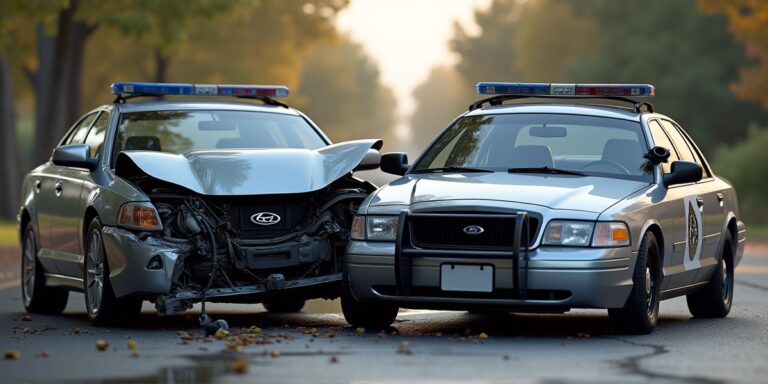
If a motorcycle accident involves a government-owned vehicle or a dangerous road condition like loose gravel, potholes, or poorly marked construction zones, a formal administrative claim **MUST** be presented within **6 months** (180 days). Failure to meet this strict deadline under the Government Tort Claims Act can result in the permanent loss of your right to recover.
Government claims have specific requirements and procedures that differ from standard personal injury cases. We have experience navigating these complexities and can ensure your claim is properly filed and documented to maximize your chances of success.