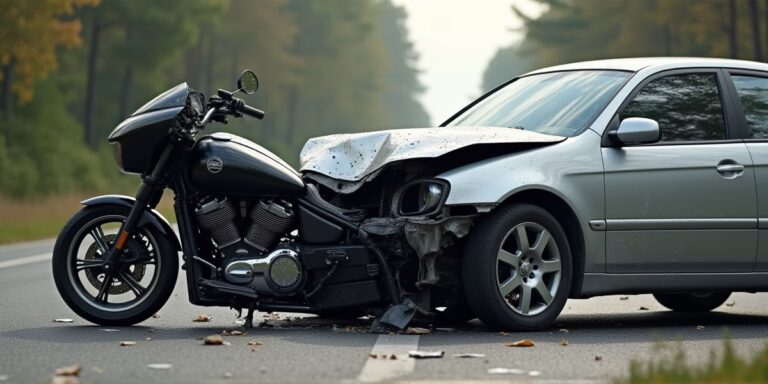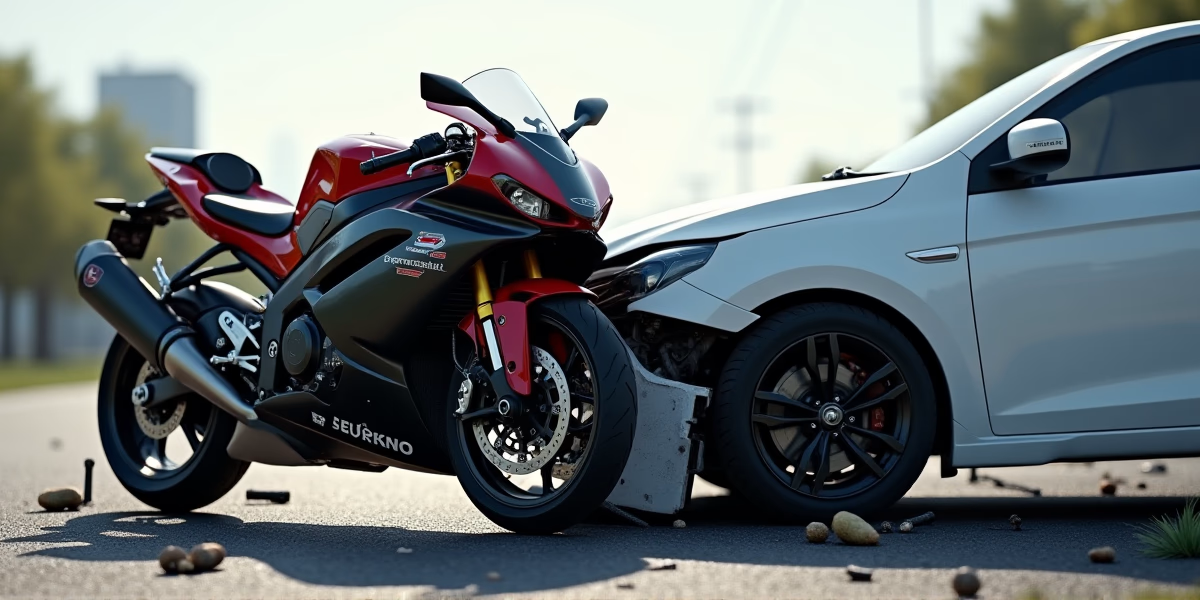
What Are Common Motorcycle Accident Injuries?

Motorcycle accidents are uniquely dangerous, often resulting in far more severe injuries compared to car crashes. This is due to the inherent lack of protective structure surrounding the rider. While cars offer a metal cage, motorcyclists are directly exposed to the forces of impact. As a personal injury attorney with over 13 years of experience representing riders in San Diego, I’ve seen firsthand the devastating consequences these collisions can have. I was trained by former insurance defense attorneys, giving me intimate knowledge of how insurance companies evaluate, devalue, and deny claims.
The types of injuries sustained in a motorcycle accident vary widely depending on the severity of the impact, the speed of the vehicles involved, and whether protective gear was worn. However, some injuries are far more common than others. Understanding these potential injuries is crucial for both seeking appropriate medical attention and pursuing a fair settlement to cover your losses.
What are the most frequent types of head injuries in motorcycle accidents?
Head injuries are, unfortunately, among the most common and most serious consequences of a motorcycle crash. Even with a helmet, the force of impact can cause significant trauma. Concussions are the most frequent, ranging from mild to severe, and can result in persistent headaches, dizziness, memory loss, and cognitive impairment. More serious injuries include skull fractures, traumatic brain injuries (TBIs), and diffuse axonal injuries, which involve damage to the brain’s nerve fibers. These can lead to long-term disabilities, personality changes, and even coma.
The severity of a head injury often isn’t immediately apparent. Symptoms can develop over days or weeks, making it vital to seek immediate medical evaluation even if you feel relatively okay after the accident. A thorough neurological exam and imaging scans are essential to diagnose and monitor any potential brain damage.
What types of fractures are commonly seen in motorcycle accident victims?
The human body is remarkably fragile when exposed to the forces of a motorcycle collision. Fractures are incredibly common, particularly in the extremities. Broken legs, including the femur, tibia, and fibula, are frequently seen due to the direct impact with the motorcycle or the road. Wrist and hand fractures are also prevalent as riders instinctively brace themselves during a fall. Rib fractures can occur from impact with the handlebars or the ground, and spinal fractures are a particularly serious concern, potentially leading to paralysis.
The treatment for fractures can range from casting and immobilization to complex surgical procedures requiring extensive rehabilitation. These injuries often result in long-term pain, limited mobility, and significant medical expenses.
How often do motorcyclists suffer soft tissue injuries in crashes?
While fractures often receive the most attention, soft tissue injuries are equally debilitating and frequently overlooked. These injuries involve damage to muscles, ligaments, tendons, and other connective tissues. Whiplash is a common complaint, resulting in neck pain, stiffness, and headaches. Sprains and strains can occur throughout the body, particularly in the back, shoulders, and knees. Road rash, caused by abrasion against the pavement, is another common soft tissue injury, often resulting in painful burns and scarring.
Soft tissue injuries can be incredibly painful and require extensive physical therapy and rehabilitation. The long-term effects can include chronic pain, limited range of motion, and difficulty performing everyday activities.
What internal injuries should motorcyclists be aware of after an accident?
Internal injuries are often the most life-threatening consequences of a motorcycle accident. These injuries are not always immediately visible and can be difficult to diagnose. Damage to internal organs, such as the lungs, liver, spleen, and kidneys, can result in internal bleeding, organ failure, and even death. Chest contusions, or bruising of the chest, can also be a sign of underlying internal injuries.
It’s crucial to seek immediate medical attention after any motorcycle accident, even if you don’t feel any immediate pain. Doctors can perform imaging scans and other diagnostic tests to identify any internal injuries and provide appropriate treatment.
Are there specific injuries related to lane splitting accidents?
California law formally recognizes lane splitting as legal, defined as driving a motorcycle between rows of stopped or moving vehicles in the same lane. In accident litigation, proving that the maneuver was performed ‘in a safe and prudent manner’ is essential to rebutting claims of rider negligence. However, lane splitting accidents often present unique injury patterns. Collisions with the sides of vehicles can result in fractures, soft tissue injuries, and head trauma. The sudden change in direction can also cause a rider to lose control, leading to a high-speed fall and resulting in road rash, abrasions, and more severe injuries.
Lane splitting accidents often involve disputes over fault, as drivers may claim they didn’t see the motorcycle or that the rider was traveling too fast. It’s crucial to have an experienced attorney who understands the complexities of lane splitting laws and can effectively advocate for your rights.
What should I do if I suspect an insurer is trying to minimize my injuries?
Insurance companies are businesses, and their primary goal is to minimize payouts. They may attempt to downplay the severity of your injuries, question your medical treatment, or argue that you were at fault for the accident. It’s crucial to be prepared for this and protect your rights. Document all medical treatment, keep detailed records of your pain and suffering, and avoid making any statements to the insurance company without first consulting with an attorney.
How long do I have to file a claim after a motorcycle accident in California?
California law provides a **two-year** window from the date of the motorcycle accident to file a lawsuit for personal injury. Because evidence at a crash scene—such as skid marks or GoPro footage—can disappear quickly, immediate filing is critical to preserve the integrity of the claim.
What if the accident was caused by a dangerous road condition?
If a motorcycle accident involves a government-owned vehicle or a dangerous road condition like loose gravel, potholes, or poorly marked construction zones, a formal administrative claim **MUST** be presented within **6 months** (180 days). Failure to meet this strict deadline under the Government Tort Claims Act can result in the permanent loss of your right to recover.
Should I give a recorded statement to the insurance company?
Giving a recorded statement to the insurance company is generally not advisable. Insurance adjusters are trained to ask leading questions designed to minimize your claim. They may attempt to elicit information that can be used against you later on. It’s best to decline the request and consult with an attorney before providing any statements.
What are medical liens and how do they affect my settlement?
Medical liens are claims placed on your settlement by healthcare providers who have treated you for your injuries. These liens ensure that they are compensated for their services. California law limits the amount a health insurance company or medical provider can claim from your settlement via a lien. These ‘anti-subrogation’ protections ensure that the injured rider retains a fair portion of their recovery after medical bills are addressed.
What if the at-fault driver has minimal insurance coverage?
If the at-fault driver has minimal insurance coverage, you may be able to pursue a claim under your own Uninsured Motorist (UM) coverage. California law requires insurers to offer Uninsured Motorist (UM) and Underinsured Motorist (UIM) coverage. For motorcyclists hit by a driver with minimum or no insurance, this coverage allows you to recover damages directly from your own policy up to your selected limits.