
What If Mediation Fails Before Trial?

Mediation is often a required step before a motorcycle accident case can proceed to trial in San Diego. It’s a structured negotiation process facilitated by a neutral third party, designed to help both sides reach a mutually agreeable resolution. However, mediation isn’t always successful. Insurance companies frequently enter mediation with a pre-determined bottom line, unwilling to deviate significantly even in the face of compelling evidence. So, what happens when mediation fails, and your case heads towards trial?
The failure of mediation doesn’t mean your case is over – far from it. It simply means that the parties couldn’t reach a settlement agreement through that particular avenue. In California, this triggers a series of pre-trial procedures designed to prepare the case for presentation to a judge or jury. These steps can be complex and time-consuming, and it’s crucial to have experienced legal counsel guiding you through each phase.
I’ve been practicing personal injury law in San Diego for over 13 years, and I’ve seen firsthand how insurance companies operate. Trained by a former insurance defense attorney, I have intimate knowledge of how they evaluate, devalue, and deny claims. This insight allows me to build stronger cases and effectively advocate for my clients’ rights. I understand their tactics, and I know how to counter them.
What Pre-Trial Steps Follow a Failed Mediation?
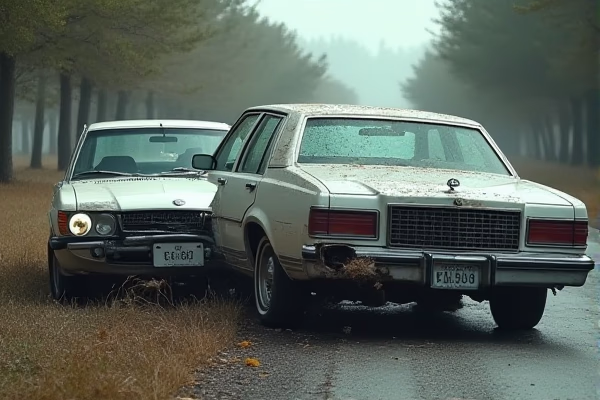
Once mediation is unsuccessful, the case enters the discovery phase. This is where both sides gather information relevant to the accident and your injuries. It involves a variety of tools, including written interrogatories (questions you must answer under oath), requests for production of documents (such as police reports, medical records, and employment history), and depositions (oral examinations under oath). The discovery process can be extensive, and it’s essential to provide accurate and complete responses to avoid any potential legal issues.
Following discovery, many cases proceed to a mandatory Settlement Conference with the court. This is another attempt at negotiation, but it’s more formal than mediation and often involves a judge actively participating in the discussion. The judge may offer their opinion on the strengths and weaknesses of each side’s case, which can sometimes be enough to encourage a settlement. If that fails, the case moves closer to trial.
The final stage before trial is typically a pre-trial hearing where the court addresses any remaining issues, such as the admissibility of evidence and witness lists. This is also an opportunity for a final settlement discussion, as the costs and risks of trial become more apparent.
How Does a Failed Mediation Affect My Case’s Value?
A failed mediation doesn’t necessarily diminish the value of your case. In fact, it can sometimes *increase* it. The insurance company may be more willing to negotiate seriously once they realize you’re prepared to go to trial. However, it’s important to be realistic about your expectations. The value of your case will ultimately depend on the severity of your injuries, the strength of the evidence, and the applicable legal principles.
It’s also important to consider the costs associated with going to trial. Litigation can be expensive, and you’ll need to weigh the potential benefits of a larger settlement against the financial risks of a lengthy court battle. An experienced attorney can help you assess these factors and make informed decisions about the best course of action.
Furthermore, a failed mediation can highlight the insurance company’s unwillingness to fairly compensate you for your damages, which can be a powerful argument to a jury.
What if the Insurance Company Refuses to Negotiate at All?
Sometimes, insurance companies take an unreasonably hardline stance and refuse to engage in meaningful negotiations, even after mediation fails. In these situations, it may be necessary to file a lawsuit and proceed to trial. While this can be a daunting prospect, it’s often the only way to obtain the full compensation you deserve.
Filing a lawsuit allows you to formally present your case to the court and compel the insurance company to respond to your claims. It also gives you access to additional discovery tools, such as expert witnesses and independent medical examinations. A skilled attorney can navigate the complexities of the legal process and build a compelling case on your behalf.
Remember, insurance companies are businesses, and their goal is to minimize payouts. They often rely on tactics designed to intimidate or undervalue your claim. Don’t let them bully you into accepting a settlement that doesn’t fully compensate you for your injuries and losses.
What Role Does Evidence Preservation Play After Mediation?
Evidence preservation becomes even more critical after mediation fails. The insurance company will be actively investigating the accident and gathering information to defend their position. It’s essential to protect any evidence that supports your claim, such as photographs of the accident scene, witness statements, medical records, and employment documentation.
I strongly advise my clients to immediately preserve any relevant data, including dashcam footage, event data recorders (EDR) from their motorcycles, and any communication with the other driver or insurance company. Failure to preserve evidence can have serious consequences, potentially weakening your case and even leading to sanctions from the court. We often send a “spoliation letter” to the opposing party, formally requesting the preservation of all relevant evidence.
In San Diego, we see a lot of motorcycle accidents involving lane splitting. Documenting the circumstances of the lane split, including your speed and the surrounding traffic conditions, is crucial.
Can I Still Negotiate with the Insurance Company After a Lawsuit is Filed?
Absolutely. In fact, most cases settle after a lawsuit is filed, even after mediation has failed. Filing a lawsuit often forces the insurance company to take your claim more seriously and engage in more good-faith negotiations. The discovery process can also reveal new information that strengthens your case and increases your bargaining power.
However, it’s important to remember that the negotiation landscape changes once a lawsuit is pending. The insurance company will be represented by an attorney, and all communication must be conducted through legal counsel. It’s crucial to avoid any direct contact with the insurance adjuster, as anything you say can be used against you in court.
We will continue to explore all settlement options throughout the litigation process, but we will also be prepared to take your case to trial if necessary.
What if the Other Driver Was Uninsured?
If the at-fault driver was uninsured, you may be able to recover damages under your own Uninsured Motorist (UM) coverage. Ins. Code § 11580.2 requires insurers to offer UM coverage, and it can provide valuable protection in situations where the other driver has no insurance. However, UM claims can be complex, and the insurance company may attempt to deny or undervalue your claim.
It’s essential to have an attorney who understands the intricacies of UM coverage and can effectively advocate for your rights. We will thoroughly investigate the accident, gather evidence of the other driver’s negligence, and fight to obtain the full compensation you deserve under your policy.
UM claims often involve arbitration procedures, which can be different from a traditional court trial. We will guide you through the arbitration process and ensure that your rights are protected.
What About Medical Liens and Reimbursement Claims?
If you received medical treatment for your injuries, the healthcare providers may have a lien on your settlement. Civ. Code § 3040 limits the amount a health insurance company or medical provider can claim from your settlement via a lien. It’s crucial to understand your rights and obligations regarding medical liens, and we will work to negotiate a fair and reasonable resolution with the healthcare providers.
We will also investigate whether your health insurance company has a right to reimbursement for the medical expenses they paid on your behalf. These subrogation claims can sometimes reduce your overall recovery, and we will fight to protect your interests.
Navigating medical liens and subrogation claims can be complex, and it’s essential to have an attorney who understands the applicable legal principles.
What if I Was Partially at Fault for the Accident?
California is a ‘pure’ comparative fault state, meaning that you can still recover damages even if you shared some responsibility for the accident. Civ. Code § 1714 dictates that your total compensation will be reduced by your percentage of fault. For example, if you were 20% at fault, your recovery will be reduced by 20%.
The insurance company will likely argue that you were more at fault than you actually were, in an attempt to minimize their payout. It’s essential to have an attorney who can thoroughly investigate the accident, gather evidence of the other driver’s negligence, and effectively counter the insurance company’s arguments.
We will carefully analyze all the evidence and present a compelling case to the court, demonstrating that the other driver was primarily responsible for the accident.
What is the Statute of Limitations for Filing a Motorcycle Accident Lawsuit?
California law provides a **two-year** window from the date of the motorcycle accident to file a lawsuit for personal injury. CCP § 335.1 outlines this deadline. Because evidence at a crash scene—such as skid marks or GoPro footage—can disappear quickly, immediate filing is critical to preserve the integrity of the claim.
Missing the statute of limitations deadline can result in the permanent loss of your right to recover damages. It’s essential to consult with an attorney as soon as possible after an accident to ensure that your claim is filed within the required timeframe.
We will handle all the necessary paperwork and filings to ensure that your claim is properly submitted and protected.