What If The At Fault Driver Was Drunk?

When a drunk driver causes a motorcycle accident, the legal landscape shifts dramatically. While establishing negligence is crucial in any collision case, proving intoxication introduces additional avenues for recovery and potential penalties against the at-fault party. California law holds drunk drivers to a higher standard of care, and the consequences can be severe, both criminally and civilly. This is because operating a vehicle under the influence is inherently reckless, demonstrating a disregard for the safety of others.
One of the most significant advantages in these cases is the potential for punitive damages. Unlike compensatory damages, which aim to cover medical expenses, lost income, and pain and suffering, punitive damages are intended to punish the wrongdoer and deter similar conduct in the future. To secure punitive damages, we must demonstrate malice, oppression, or fraud on the part of the drunk driver. This often involves presenting evidence of their blood alcohol content (BAC), their behavior leading up to the crash, and any prior DUI convictions.
I’ve been practicing personal injury law in San Diego for over 13 years, and I’ve seen firsthand how devastating these accidents can be. I was trained by a former insurance defense attorney, giving me intimate knowledge of how insurance companies evaluate, devalue, and deny claims. They understand the potential for large payouts in DUI cases and will often employ aggressive tactics to minimize their liability. That’s why it’s critical to have an experienced attorney on your side who knows how to navigate these complexities.
What evidence is needed to prove a drunk driver caused my motorcycle accident?
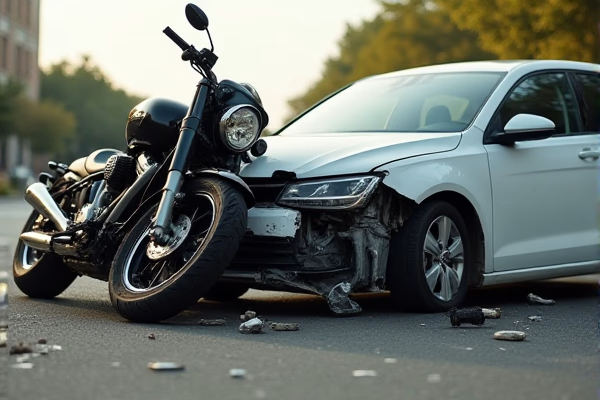
Establishing that the at-fault driver was intoxicated requires a combination of evidence. Police reports are a primary source, as they typically include BAC test results, witness statements, and observations of the driver’s behavior at the scene. However, relying solely on the police report is often insufficient. We often conduct our own investigation, gathering additional evidence such as surveillance footage from nearby businesses, dashcam recordings, and testimony from witnesses who observed the driver before the crash.
It’s also important to understand that BAC isn’t the only indicator of intoxication. Even if the driver’s BAC is below the legal limit, we can still prove impairment based on their physical appearance, coordination, and speech. This is where expert testimony from toxicologists and accident reconstruction specialists can be invaluable.
Can I recover damages even if the police didn’t arrest the driver for DUI?
Yes, you can. While a DUI conviction certainly strengthens your case, it’s not a prerequisite for recovery. We can still pursue a civil claim based on other evidence of the driver’s intoxication, such as witness testimony, surveillance footage, or the driver’s own admissions. The standard of proof in a civil case is lower than in a criminal case, meaning we don’t need to prove guilt beyond a reasonable doubt, only that it’s more likely than not that the driver was impaired at the time of the accident.
What types of damages can I recover in a motorcycle accident involving a drunk driver?
Motorcycle accident victims can recover a wide range of damages, including economic and non-economic losses. Economic damages cover quantifiable expenses such as medical bills, lost wages, property damage, and rehabilitation costs. Non-economic damages compensate for less tangible losses like pain and suffering, emotional distress, and loss of enjoyment of life. In cases involving a drunk driver, you may also be eligible for punitive damages, as discussed earlier.
It’s important to document all of your losses thoroughly, including medical records, pay stubs, and receipts for any out-of-pocket expenses. We can help you gather this evidence and calculate the full extent of your damages to ensure you receive fair compensation.
How does California’s comparative fault rule apply when the drunk driver is at fault?
California operates under a ‘pure’ comparative fault system, meaning you can recover damages even if you shared some responsibility for the accident. However, your total compensation will be reduced by your percentage of fault. For example, if you were speeding slightly and the jury determines you were 10% at fault, your recovery will be reduced by 10%. Civ. Code § 1714 outlines this principle. Even with comparative fault, a skilled attorney can minimize your percentage of responsibility and maximize your recovery.
What is the statute of limitations for filing a motorcycle accident claim in California?
In California, you generally have **two years** from the date of the motorcycle accident to file a lawsuit for personal injury. CCP § 335.1 establishes this timeframe. Because evidence at a crash scene—such as skid marks or GoPro footage—can disappear quickly, immediate filing is critical to preserve the integrity of the claim. Don’t delay seeking legal counsel, as missing this deadline can result in the permanent loss of your right to recover.