
What Should A Truck Driver Say To Their Dispatcher After A Crash?

As a personal injury attorney in San Diego with over 13 years of experience representing truck drivers, I understand the immense pressure you’re under after an accident. It’s natural to want to provide your dispatcher with a clear account of what happened, but doing so without understanding your rights and potential liabilities can be a critical mistake. Insurance companies, and by extension, your employer, are looking for information that minimizes their payout. What you say immediately following a crash can be used against you, even if you believe you’re simply being cooperative.
The first and most important thing to remember is to prioritize your health and safety. Ensure you’ve received medical attention and reported the accident to the proper authorities. After that, limit your communication with your dispatcher to essential details – date, time, location, and a brief, factual description of the incident. Avoid speculation, opinions, or admissions of fault. You are not required to provide a detailed statement at the scene, and you should absolutely consult with an attorney before doing so.
I’ve spent the last decade plus representing clients in San Diego, and I was previously trained by a former insurance defense attorney. This experience has given me intimate knowledge of how insurance companies evaluate, devalue, and deny claims. They’re skilled at twisting words and finding loopholes to avoid responsibility. Knowing their tactics is half the battle, and I can help you navigate this complex process.
What specific information should I absolutely *not* share with my dispatcher?
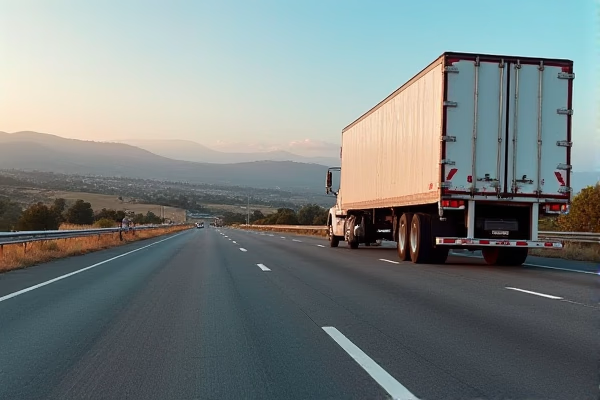
There are several key pieces of information you should avoid disclosing to your dispatcher, at least initially. Do not admit fault or take responsibility for the accident, even if you believe you were partially at fault. California’s comparative fault laws mean you can still recover damages even if you share some blame, but admitting fault upfront significantly weakens your position. Avoid speculating about the cause of the accident or offering opinions on the other driver’s actions. Stick to the facts as you observed them. Do not discuss your injuries in detail or provide medical information beyond confirming you sought treatment. Let your medical professionals document your condition, and your attorney advise you on how to present that information.
Furthermore, do not agree to any recorded statements without first consulting with an attorney. Insurance companies often request recorded statements shortly after an accident, hoping to catch you off guard and elicit damaging admissions. Avoid signing any documents or authorizations without a thorough review by legal counsel. These documents could waive your rights or limit your ability to pursue a full recovery.
What if my dispatcher insists I provide a detailed statement immediately?
If your dispatcher is insistent, politely but firmly explain that you are still processing the shock of the accident and want to consult with an attorney before providing a detailed statement. You can say something like, “I want to be as accurate as possible in my account of the events, and I believe it’s in everyone’s best interest if I seek legal counsel first.” Most reputable companies will respect your request. However, if they continue to pressure you, document the interaction and immediately contact an attorney. Remember, you have the right to protect your legal interests.
Can my employer use my Electronic Logging Device (ELD) data against me?
Yes, your employer can and likely will use your ELD data as part of their investigation. 49 CFR § 395 mandates the use of ELDs to track drivers’ hours of service, and this data can be used to determine if you were in compliance with federal regulations at the time of the accident. It’s crucial to understand that any violations of HOS regulations could be used to establish negligence. An attorney can help you interpret this data and challenge any inaccuracies or misinterpretations.
What should I do if I believe the accident was caused by a mechanical failure with my truck?
If you suspect a mechanical failure contributed to the accident, it’s vital to document everything. Immediately notify your dispatcher of the potential issue in writing. Preserve any evidence related to the failure, such as maintenance records, inspection reports, and photos of the damaged components. Do not allow the trucking company to repair the truck before a thorough independent inspection can be conducted. Negligent maintenance can be a significant factor in truck accidents, and your attorney can help you gather evidence to support your claim.
What if the other driver was clearly at fault, and I have witnesses?
Even if the other driver was clearly at fault and you have witnesses, it’s still essential to exercise caution and protect your rights. Obtain contact information from any witnesses as soon as possible. Document the accident scene thoroughly, including photos of the damage, road conditions, and any relevant signage. Avoid discussing the accident with anyone other than your attorney and the police. Insurance companies will often attempt to downplay their client’s liability, even in clear-cut cases. Having a strong legal advocate on your side can ensure you receive the full compensation you deserve.
What are the deadlines for filing a claim after a truck accident in California?
California law provides a **two-year** window from the date of the truck accident to file a lawsuit. Because trucking companies often begin evidence destruction (like purging ELD data) as soon as the law allows, immediate filing is critical to preserve the integrity of the claim. It’s important to note that this deadline applies to both property damage and personal injury claims. Delaying action can jeopardize your ability to recover compensation.
What if a government entity was responsible for the road conditions that led to the crash?
…if a truck accident involves a government-owned vehicle or a dangerous road condition maintained by a public entity, a formal administrative claim **MUST** be presented within **6 months** (180 days). Failure to meet this strict deadline under the Government Tort Claims Act can result in the permanent loss of your right to recover.
What if I was misclassified as an independent contractor instead of an employee?
…California’s ‘ABC test’ determines if a delivery driver (Amazon/FedEx) is an employee or contractor. Even if labeled a ‘contractor,’ a company may be liable if they exercise control over the driver’s work, a key factor in San Diego delivery truck litigation.
Is the trucking company liable for the actions of its driver?
…under the doctrine of **vicarious liability** (respondeat superior), a principal is responsible to third persons for the negligence of their agent in the transaction of business. This holds the trucking company legally liable for the wrongful acts of its drivers committed within the scope of their employment.
What are the speed limits for commercial trucks in California?
…in California, commercial trucks (including semi-tractors with three or more axles) are strictly prohibited from exceeding **55 miles per hour** on any highway. In San Diego freeway crashes, proving a violation of this speed limit is a primary tool for establishing statutory negligence.