How Long Does A Motorcycle Case Take In San Diego Superior Court?

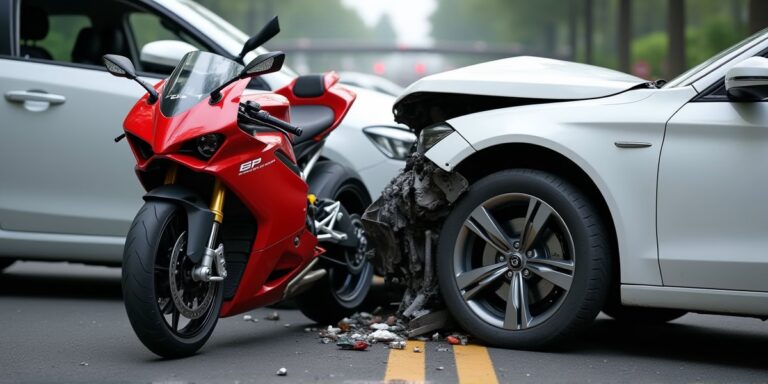
The timeline for a motorcycle accident case in San Diego Superior Court is rarely straightforward. It depends heavily on the severity of your injuries, the complexity of liability, and whether a settlement can be reached. While some cases resolve within a few months, others can take years to litigate. A critical first step is understanding the various stages involved and what influences the duration of each.
Initially, there’s the investigation phase. This includes gathering police reports, witness statements, medical records, and any available video footage. Insurance companies will also conduct their own investigation, often looking for ways to minimize their payout. This phase can take anywhere from a few weeks to several months, especially if there are disputes about fault or the extent of your injuries. Delays are common, as insurers frequently request additional information or schedule independent medical examinations (IMEs) to challenge your claims.
I’ve been practicing personal injury law in San Diego for over 13 years, and I’ve seen firsthand how insurance companies operate. Trained by a former insurance defense attorney, I have intimate knowledge of how they evaluate, devalue, and deny claims. They’re experts at prolonging the process, hoping you’ll settle for less than you deserve. That’s why it’s crucial to have an experienced attorney on your side who understands their tactics and can fight for your rights.
What factors can significantly delay my motorcycle accident claim?

Several factors can extend the timeline of your case. The most common include:
- Disputed Liability: If the other driver denies fault, or if there are conflicting accounts of the accident, it will likely require more extensive investigation and potentially a trial.
- Severe Injuries: Cases involving serious injuries, such as traumatic brain injuries or spinal cord damage, require more medical documentation and expert testimony, which takes time to gather.
- Complex Medical Treatment: Ongoing medical treatment and rehabilitation can delay settlement negotiations as your damages continue to accrue.
- Insurance Company Tactics: As mentioned earlier, insurers often employ delay tactics to minimize payouts.
- Multiple Parties: If multiple parties are involved, such as the driver’s employer or a vehicle manufacturer, it can complicate the legal process.
How does the Statute of Limitations affect my case?
California law provides a two-year window from the date of the motorcycle accident to file a lawsuit for personal injury. Because evidence at a crash scene—such as skid marks or GoPro footage—can disappear quickly, immediate filing is critical to preserve the integrity of the claim.
Failing to file within this timeframe means you lose your right to sue, regardless of the strength of your case. It’s essential to consult with an attorney as soon as possible after an accident to ensure you meet this deadline. Even if you’re negotiating with the insurance company, the statute of limitations continues to run, so don’t delay seeking legal counsel.
What happens if I’m negotiating with the insurance company before filing a lawsuit?
Negotiating with the insurance company is a common first step, but it’s important to be cautious. Insurers are skilled negotiators and may try to pressure you into accepting a low settlement offer. It’s generally advisable to have an attorney handle all communication with the insurance company on your behalf. They can protect your rights and ensure you don’t inadvertently say or do anything that could harm your case.
If settlement negotiations fail, your attorney will likely file a lawsuit to preserve your claim and initiate the discovery process. This involves exchanging information with the other party, taking depositions, and gathering additional evidence.
What is the discovery process and how long does it take?
The discovery process is a formal exchange of information between the parties involved in a lawsuit. It typically includes:
- Interrogatories: Written questions that must be answered under oath.
- Requests for Production of Documents: Requests for relevant documents, such as medical records, police reports, and insurance policies.
- Depositions: Oral examinations of witnesses under oath.
Discovery can be a lengthy process, often taking several months to complete. The duration depends on the complexity of the case and the cooperation of the other party. Once discovery is complete, the case may proceed to mediation or trial.
What is mediation and how does it affect the timeline?
Mediation is a process where a neutral third party helps the parties reach a settlement agreement. It’s a non-binding process, meaning you’re not obligated to accept a settlement offer if you’re not satisfied. However, mediation can be an effective way to resolve a case without going to trial. If mediation is successful, it can significantly shorten the timeline of your case.
If mediation fails, the case will likely proceed to trial. Trial preparation involves gathering evidence, preparing witnesses, and developing a legal strategy. The trial itself can take anywhere from a few days to several weeks, depending on the complexity of the case.
What if the government is involved in my motorcycle accident case?
If a motorcycle accident involves a government-owned vehicle or a dangerous road condition like loose gravel, potholes, or poorly marked construction zones, a formal administrative claim MUST be presented within 6 months (180 days). Failure to meet this strict deadline under the Government Tort Claims Act can result in the permanent loss of your right to recover.
What should I do if the insurance company is delaying my claim?
If you believe the insurance company is intentionally delaying your claim, it’s important to document all communication and consult with an attorney. They can investigate the delay and take appropriate action to protect your rights. This may include filing a bad faith claim against the insurance company.
What is the role of expert witnesses in my motorcycle accident case?
Expert witnesses, such as accident reconstruction specialists or medical professionals, can provide valuable testimony to support your claim. They can help establish liability, demonstrate the extent of your injuries, and calculate your damages. Finding and preparing expert witnesses can take time, but it’s often essential to a successful outcome.
How can I preserve evidence to strengthen my motorcycle accident case?
Preserving evidence is crucial to building a strong case. This includes:
- Photographs of the accident scene: Capture images of the vehicles involved, road conditions, and any visible injuries.
- Witness contact information: Obtain the names and contact information of any witnesses to the accident.
- Medical records: Keep copies of all medical records related to your injuries.
- Police report: Obtain a copy of the police report.
It’s also important to avoid making any statements to the insurance company without consulting with an attorney. They may try to use your words against you later.
What if I was partially at fault for the motorcycle accident?
California’s ‘pure’ comparative fault system applies to motorcycle claims. Even if a driver argues you shared responsibility due to speed or positioning, you can still recover damages; however, your total compensation will be reduced by your percentage of fault.
The key is to understand your rights and options. An experienced attorney can help you navigate the complexities of comparative fault and ensure you receive the maximum compensation you’re entitled to.