What Damages Can Be Recovered After A Construction Truck Accident?

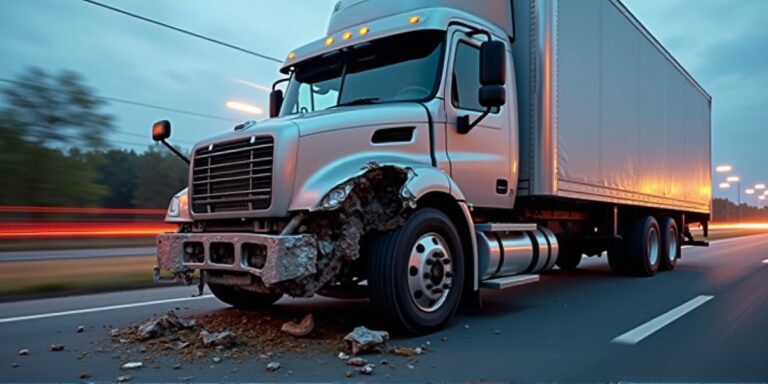
Construction trucks, due to their size and weight, pose a significant risk to other drivers on the road. Accidents involving these vehicles frequently lead to serious injuries, and navigating the insurance claims process can be overwhelming. Many victims underestimate the full extent of the damages they are entitled to recover, leaving substantial money on the table. That’s where experienced legal counsel becomes critical.
The types of damages available after a construction truck accident extend far beyond just medical bills. While those are certainly a primary component, a comprehensive claim should account for all economic and non-economic losses resulting from the collision. Understanding these potential damages is the first step toward securing the compensation you deserve.
I’ve been practicing personal injury law in San Diego for over 13 years, and I’ve seen firsthand how insurance companies attempt to minimize payouts in construction truck accident cases. I was trained by a former insurance defense attorney, giving me intimate knowledge of how these companies evaluate, devalue, and deny claims. I’m here to help you fight back and ensure you receive the full and fair compensation you’re entitled to.
What types of economic damages can I claim after a construction truck accident?
Economic damages are those that have a quantifiable monetary value. These are relatively straightforward to calculate, although proving them often requires meticulous documentation. The most common economic damages in a construction truck accident case include:
- Medical Expenses: This encompasses all past and future medical bills related to your injuries, including ambulance costs, emergency room visits, surgeries, hospital stays, physical therapy, medication, and ongoing care.
- Lost Wages: If you’ve been unable to work due to your injuries, you can recover lost income, including salary, hourly wages, bonuses, and commissions.
- Property Damage: This covers the cost of repairing or replacing your vehicle, as well as any other damaged personal property.
- Future Lost Earnings Capacity: If your injuries prevent you from returning to your previous job or limit your earning potential, you may be able to recover the projected loss of future income.
- Rental Car Costs: If your vehicle is totaled or unusable, you can recover the cost of renting a replacement vehicle while yours is being repaired or replaced.
Can I recover damages for pain and suffering after a construction truck accident?
Pain and suffering are considered non-economic damages, meaning they don’t have a direct monetary value. However, they are a significant component of many construction truck accident claims. These damages are intended to compensate you for the physical and emotional distress caused by your injuries.
Calculating pain and suffering is more subjective than economic damages. Insurance companies often use a multiplier method, multiplying your medical expenses by a factor of 1.5 to 5, depending on the severity of your injuries and their impact on your life. However, a skilled attorney can argue for a higher multiplier based on the unique circumstances of your case.
What about other non-economic damages, like emotional distress or loss of enjoyment of life?
Beyond pain and suffering, you may also be able to recover damages for other non-economic losses, such as:
- Emotional Distress: This includes anxiety, depression, PTSD, and other psychological conditions resulting from the accident.
- Loss of Consortium: Your spouse may be able to recover damages for the loss of companionship, intimacy, and support due to your injuries.
- Loss of Enjoyment of Life: If your injuries prevent you from participating in activities you once enjoyed, you can recover damages for this loss.
- Disfigurement and Scarring: If you sustained visible injuries that have caused disfigurement or scarring, you may be able to recover damages for the emotional distress and reduced self-esteem.
What if the construction company was negligent in maintaining their truck?
In many construction truck accident cases, the accident wasn’t solely caused by the driver’s negligence. The construction company itself may be liable if they were negligent in maintaining their truck or failed to properly train their drivers. This is known as negligent maintenance. Under CVC § 34500, commercial vehicles are subject to rigorous safety and inspection regulations. Failure to maintain brakes, tires, or lighting systems according to California’s commercial vehicle safety framework can be used to establish direct liability against the carrier for ‘negligent maintenance’.
Establishing negligent maintenance requires proving that the construction company knew or should have known about the defect and failed to take reasonable steps to correct it. This often involves reviewing maintenance records, inspection reports, and driver logs.
What if the truck driver was violating federal Hours of Service regulations?
Truck drivers are subject to strict federal regulations regarding their hours of service, designed to prevent fatigue-related accidents. Violations of these regulations, often proven through Electronic Logging Device (ELD) data, are used to demonstrate driver fatigue. According to 49 CFR § 395, federal **Hours of Service (HOS)** regulations dictate exactly how long a driver can be behind the wheel. If a truck driver was in violation of these regulations at the time of the accident, it can be strong evidence of negligence.