What If I Suffered A Pelvic Fracture In My Motorcycle Accident?

A pelvic fracture following a motorcycle accident is a particularly serious injury. The pelvis is a complex ring structure designed to protect vital organs and support your body’s weight. Fractures can range from stable, minimally displaced breaks to unstable, comminuted fractures involving multiple bone fragments. The severity dictates the treatment plan, which can include surgery, traction, and extensive rehabilitation. Complications are common, including chronic pain, arthritis, nerve damage, and even long-term mobility issues.
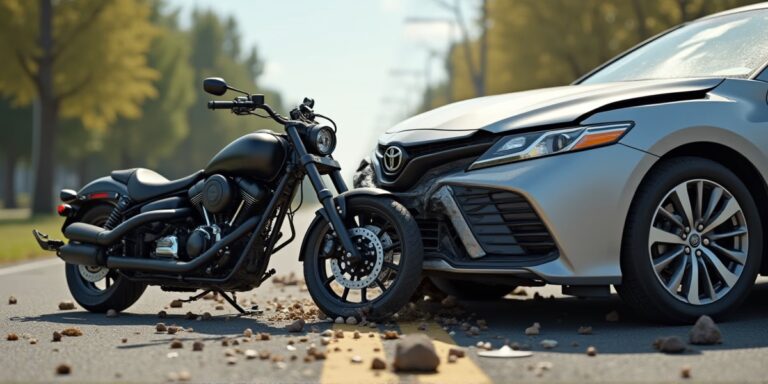
Because of the complexity of these injuries, establishing liability and maximizing your compensation requires a thorough understanding of biomechanics, medical documentation, and insurance company tactics. Motorcycle accidents often involve disputes over fault, particularly when drivers claim they didn’t see the rider. We meticulously gather evidence – police reports, witness statements, accident reconstruction data, and medical records – to build a compelling case demonstrating the other party’s negligence.
I’ve been practicing personal injury law in San Diego for over 13 years, and I’m uniquely positioned to help motorcyclists like Darius navigate these challenges. I was trained by a former insurance defense attorney, giving me intimate knowledge of how insurance companies evaluate, devalue, and deny claims. This insight allows me to anticipate their strategies and proactively address potential roadblocks.
What types of medical treatment are typically required for a motorcycle accident pelvic fracture?

Treatment for a pelvic fracture varies significantly based on the fracture’s stability and severity. Stable fractures may be managed with bed rest, pain medication, and physical therapy. However, unstable fractures almost always require surgical intervention. This often involves open reduction and internal fixation (ORIF), where the bone fragments are realigned and held in place with plates, screws, and rods. Following surgery, a lengthy rehabilitation program is crucial to regain strength, mobility, and function.
Beyond the initial surgery, ongoing medical care may include physical therapy, occupational therapy, pain management, and potentially additional surgeries to address complications. It’s vital to document all medical appointments, treatments, and expenses meticulously, as these will be essential in calculating your damages.
How long does it typically take to recover from a motorcycle accident pelvic fracture?
Recovery from a pelvic fracture is a long and arduous process. The initial healing phase can take 6-12 weeks, during which weight-bearing is often restricted. Full recovery, however, can take months or even years. Physical therapy is essential to rebuild strength, flexibility, and range of motion. Some riders may experience chronic pain, arthritis, or limitations in their ability to perform certain activities. The long-term prognosis depends on the severity of the fracture, the quality of medical care received, and the individual’s overall health.
What evidence is important to gather after a motorcycle accident involving a pelvic fracture?
Gathering comprehensive evidence is paramount to a successful claim. This includes the police report, witness statements, photos and videos of the accident scene, medical records, and documentation of your lost income. If available, dashcam footage or footage from nearby surveillance cameras can be invaluable. We also obtain the other driver’s insurance information and conduct a thorough investigation of the accident circumstances.
Because evidence at a crash scene—such as skid marks or GoPro footage—can disappear quickly, immediate filing is critical to preserve the integrity of the claim. We also recommend documenting any pre-existing conditions that may be relevant to your injury.
What if the other driver’s insurance company claims I was partially at fault for the accident?
Insurance companies often employ comparative fault tactics to reduce their payout. They may argue that you were speeding, lane splitting improperly, or otherwise contributed to the accident. California’s ‘pure’ comparative fault system applies to motorcycle claims. Even if a driver argues you shared responsibility due to speed or positioning, you can still recover damages; however, your total compensation will be reduced by your percentage of fault. We meticulously analyze the evidence to rebut these claims and demonstrate the other driver’s negligence. This may involve accident reconstruction analysis, expert testimony, and a thorough review of witness statements.
What is the statute of limitations for filing a lawsuit after a motorcycle accident in California?
California law provides a **two-year** window from the date of the motorcycle accident to file a lawsuit for personal injury. It’s crucial to initiate legal proceedings within this timeframe to protect your rights. Delaying can result in the loss of your claim, even if the other driver was clearly at fault. We prioritize prompt investigation and filing to ensure your case remains viable.
What should I do if I receive a call from the other driver’s insurance company requesting a recorded statement?
It is generally **not advisable** to provide a recorded statement to the insurance company without first consulting with an attorney. Insurance adjusters are trained to ask leading questions designed to minimize their liability. They may attempt to elicit statements that can be used against you later in the claim process. Let me handle all communications with the insurance company on your behalf.
How do medical liens affect my motorcycle accident settlement?
If you received medical treatment for your pelvic fracture through a hospital or private practice, they may file a medical lien against your settlement. These liens represent the amount you owe for medical services rendered. California law limits the amount a health insurance company or medical provider can claim from your settlement via a lien. We negotiate with medical providers to reduce these liens and ensure you receive the maximum possible recovery.
What if the at-fault driver was operating a borrowed vehicle?
In some cases, the driver responsible for your injuries may have been operating a vehicle borrowed from a friend or family member. This is a vital tool for recovery when the at-fault driver was operating a vehicle borrowed from a friend or family member. The vehicle owner may also be liable under the doctrine of negligent entrustment if they knew or should have known the driver was unfit or incompetent. We thoroughly investigate the ownership and operation of the vehicle to identify all potential sources of recovery.
What if the at-fault driver fled the scene or is uninsured?
If the at-fault driver fled the scene or is uninsured, you may be able to recover damages through your own Uninsured Motorist (UM) coverage. California law requires insurers to offer Uninsured Motorist (UM) and Underinsured Motorist (UIM) coverage. We will explore all available avenues for recovery, including UM claims, hit-and-run claims, and potential criminal restitution.
How does comparative fault affect my settlement if I was partially responsible for the accident?
California’s ‘pure’ comparative fault system applies to motorcycle claims. Even if a driver argues you shared responsibility due to speed or positioning, you can still recover damages; however, your total compensation will be reduced by your percentage of fault. We meticulously analyze the evidence to rebut these claims and demonstrate the other driver’s negligence. This may involve accident reconstruction analysis, expert testimony, and a thorough review of witness statements.