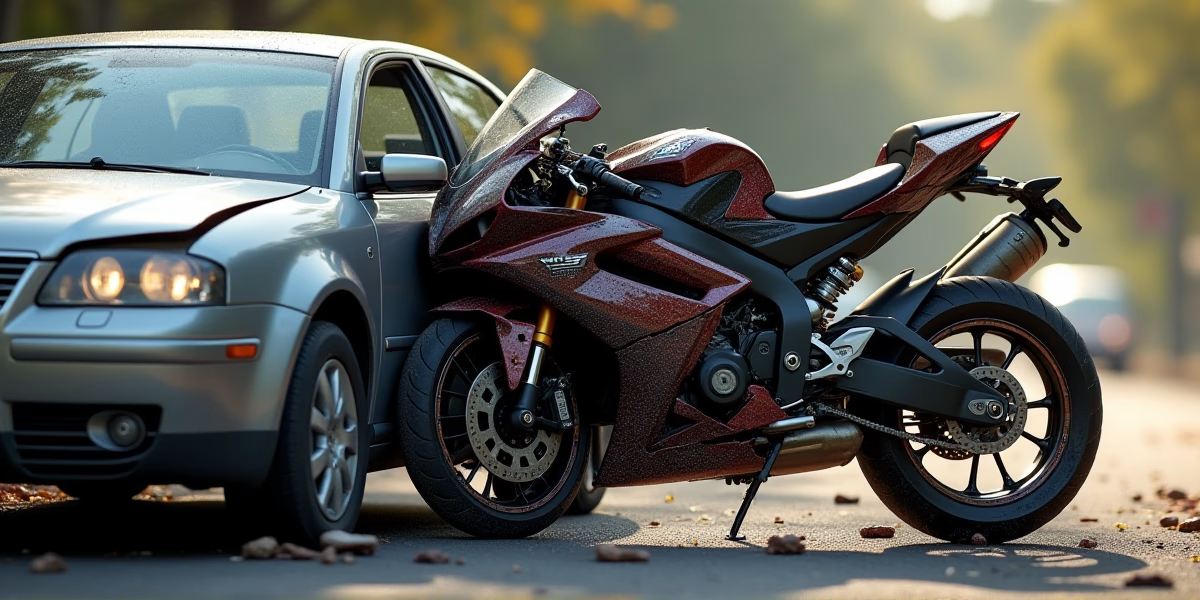
What If Multiple Insurers Dispute Responsibility?

When multiple insurance companies dispute responsibility after a motorcycle accident, it’s a common tactic designed to minimize payouts. Each insurer will aggressively investigate, seeking evidence to support their client and shift blame. This often results in a standstill, delaying your claim and increasing your financial burden. It’s crucial to understand your rights and how to navigate this complex situation effectively.
The initial step is to thoroughly document everything related to the accident. This includes the police report, witness statements, photos of the scene and vehicle damage, medical records, and any communication with the insurance adjusters. Do not rely solely on the insurance companies’ investigations; independent evidence gathering is essential. Remember, they are working for their client, not you.
As a personal injury attorney with over 13 years of experience representing motorcyclists in San Diego, I’ve seen this scenario play out countless times. I was trained by a former insurance defense attorney, giving me intimate knowledge of how insurance companies evaluate, devalue, and deny claims. They often employ tactics like questioning witness credibility, misinterpreting accident reports, and delaying communication to wear you down. Knowing their playbook is half the battle.
What should I do if both insurance companies claim their driver wasn’t at fault?
If both insurance companies are denying responsibility, it’s time to involve legal counsel. An attorney can independently investigate the accident, gather additional evidence, and build a strong case to support your claim. We can also analyze the insurance policies of all parties involved to identify potential coverage options and policy limits. Don’t wait to take action; evidence can disappear, and deadlines for filing a lawsuit are strict.
One of the first things we do is request all relevant documentation from both insurers, including the complete claims files, investigation reports, and adjuster notes. This allows us to understand their arguments and identify any weaknesses in their cases. We may also hire accident reconstruction experts to provide an unbiased analysis of the collision dynamics.
Can I file a lawsuit against both drivers if the insurance companies dispute liability?
Yes, you can file a lawsuit against both drivers, even if their insurance companies are disputing liability. However, it’s generally not advisable to pursue litigation without a clear understanding of the potential risks and benefits. A lawsuit can be costly and time-consuming, and there’s no guarantee of a favorable outcome. An attorney can assess the strength of your case and advise you on the best course of action.
Before filing suit, it’s important to consider the statute of limitations, which in California is generally **two years** from the date of the motorcycle accident to file a lawsuit for personal injury. Because evidence at a crash scene—such as skid marks or GoPro footage—can disappear quickly, immediate filing is critical to preserve the integrity of the claim. CCP § 335.1
What if one insurer is clearly trying to delay the claim process?
Insurance companies often employ delay tactics to discourage claimants from pursuing their claims. This can include requesting excessive documentation, scheduling unnecessary medical examinations, and failing to respond to your inquiries in a timely manner. If you suspect an insurer is intentionally delaying your claim, an attorney can intervene and demand a prompt resolution.
We can send a formal demand letter outlining your damages and a deadline for a response. If the insurer continues to delay, we can file a lawsuit to protect your rights and force them to address your claim. It’s important to document all communication with the insurer, including dates, times, and the names of the individuals you spoke with.
How does comparative fault affect my claim when multiple parties are involved?
California operates under a ‘pure’ comparative fault system, meaning you can recover damages even if you were partially at fault for the accident. However, your total compensation will be reduced by your percentage of fault. If multiple parties are involved, the insurance companies will likely attempt to assign a portion of the blame to you to minimize their payouts.
An attorney can investigate the accident and gather evidence to refute any claims of comparative fault. We can also present arguments to demonstrate that the other drivers were primarily responsible for the collision. Remember, even if you were partially at fault, you may still be entitled to significant compensation for your injuries and losses. Civ. Code § 1714
What if the at-fault driver was operating a borrowed vehicle?
If the at-fault driver was operating a vehicle borrowed from a friend or family member, you may be able to pursue a claim against both the driver and the vehicle owner. This is based on the legal principle of negligent entrustment, which holds the owner liable if they permitted an unfit or incompetent driver to operate their car, leading to a collision with a motorcyclist.
To establish negligent entrustment, we must demonstrate that the vehicle owner knew or should have known that the driver was unfit or incompetent. This could include a history of reckless driving, a lack of a valid driver’s license, or a known medical condition that impairs their ability to operate a vehicle. CACI No. 724