What If Multiple Vehicles Were Involved In My Crash?

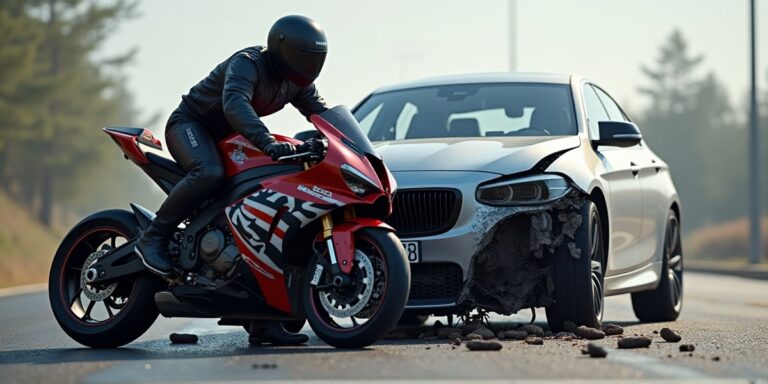
When multiple vehicles are involved in a motorcycle accident, the situation becomes exponentially more complex. Determining liability isn’t as simple as pointing to one at-fault driver. Each driver’s actions—or inactions—contribute to the overall cause of the crash, and each insurance company will be looking to minimize their payout. This often means a frustrating battle for the injured motorcyclist to secure the full compensation they deserve.
The first step is understanding the concept of comparative negligence. California operates under a “pure” comparative fault system. This means you can recover damages even if you were partially at fault for the accident. However, your recovery will be reduced by your percentage of fault. For example, if you are found to be 30% at fault, you can only recover 70% of your total damages. Insurance companies will aggressively attempt to assign blame to the motorcyclist, even in cases where the driver was clearly negligent.
I’ve spent over 13 years representing injured motorcyclists in San Diego, and I’ve seen firsthand how insurance companies exploit these multi-vehicle accidents. Trained by a former insurance defense attorney, I have intimate knowledge of how they evaluate, devalue, and deny claims. They’ll look for any reason to shift blame, from questioning your speed to scrutinizing your helmet, all to reduce their financial responsibility. That’s why having experienced legal counsel is crucial.
What evidence should I gather if multiple vehicles were involved?

Documenting the scene is paramount, but it’s even more critical with multiple vehicles. Beyond the standard police report and witness statements, focus on capturing details specific to each vehicle involved. This includes license plate numbers, insurance information, and the make and model of each car. If possible, take photos of all damage, including any skid marks or debris fields that might indicate the sequence of events.
Dashcam footage is invaluable, but don’t rely solely on your own camera. Request footage from any other vehicles that may have captured the accident. Additionally, consider whether any traffic cameras recorded the crash. The sooner you gather this evidence, the better, as footage can be overwritten or lost.
Remember, even seemingly insignificant details can be crucial in reconstructing the accident. Keep a detailed log of all communication with insurance adjusters, and avoid making any statements without consulting with an attorney.
How does insurance work with multiple at-fault parties?
Each insurance company involved will conduct its own investigation. They will likely contact you for a recorded statement, seeking to gather information about the accident. It’s almost always best to politely decline this request and refer them to your attorney. Insurance adjusters are trained to minimize payouts, and any statement you make can be used against you later.
The process can be complicated by the concept of “joint and several liability.” In California, if multiple parties are found liable, each party can be held responsible for the full amount of damages, even if their individual contribution was smaller. This means you may be able to pursue recovery from any one of the at-fault drivers, regardless of their percentage of fault. However, collecting from multiple parties can be challenging, and it’s often necessary to file separate lawsuits.
What if the other drivers don’t have insurance?
Unfortunately, it’s not uncommon for drivers to be uninsured or underinsured. In these situations, your own Uninsured Motorist (UM) coverage can provide crucial protection. Ins. Code § 11580.2 requires insurers to offer UM coverage, and it can cover your medical bills, lost wages, and pain and suffering if you are hit by an uninsured driver. If the other driver is underinsured, your Underinsured Motorist (UIM) coverage can help bridge the gap between your damages and their policy limits.
Navigating these complexities requires a thorough understanding of California insurance law and the ability to effectively negotiate with multiple insurance companies. Don’t hesitate to seek legal counsel to protect your rights.
What role does the police report play in a multi-vehicle accident?
The police report is an important piece of evidence, but it’s not the final word. The investigating officer may not have all the facts, and their conclusions can be biased or inaccurate. It’s crucial to review the report carefully and identify any discrepancies or omissions. Your attorney can help you obtain additional evidence to support your version of events.
Furthermore, the police report may not accurately reflect the comparative negligence of each driver. It’s possible for the officer to assign fault to one driver while others also contributed to the accident. Your attorney can conduct a thorough investigation to determine the full extent of each driver’s liability.
How long do I have to file a claim after a multi-vehicle accident?
California law provides a **two-year** window from the date of the motorcycle accident to file a lawsuit for personal injury. CCP § 335.1 dictates this statute of limitations. Because evidence at a crash scene—such as skid marks or GoPro footage—can disappear quickly, immediate filing is critical to preserve the integrity of the claim. Don’t delay seeking legal counsel, as waiting too long can jeopardize your ability to recover compensation.
What if a government vehicle was involved in the crash?
If a motorcycle accident involves a government-owned vehicle or a dangerous road condition like loose gravel, potholes, or poorly marked construction zones, a formal administrative claim **MUST** be presented within **6 months** (180 days). Gov. Code § 911.2 outlines this strict deadline under the Government Tort Claims Act. Failure to meet this deadline can result in the permanent loss of your right to recover.
Should I give a recorded statement to the insurance company?
Absolutely not, without first consulting with an attorney. Insurance companies are skilled at eliciting statements that can be used to minimize their payouts. They may ask leading questions or try to downplay your injuries. A recorded statement can be detrimental to your claim, even if you believe you are being truthful. Let an experienced attorney handle all communication with the insurance companies on your behalf.
What is subrogation and how does it affect my claim?
Subrogation is the process where an insurance company seeks to recover the money they paid out on your claim from the at-fault party. Civ. Code § 3040 limits the amount a health insurance company or medical provider can claim from your settlement via a lien. This can impact the net amount you receive after medical bills are addressed. Your attorney can negotiate with the insurance companies to ensure a fair resolution.
What if I was wearing a helmet and still suffered a head injury?
California is a universal helmet law state, requiring all riders and passengers to wear a safety helmet that meets DOT standards. CVC § 27803 establishes this requirement. While a violation may be used by defense counsel to argue for a reduction in damages via comparative fault—specifically regarding head or neck injuries—it does not bar a rider from seeking recovery for other injuries caused by a negligent driver.