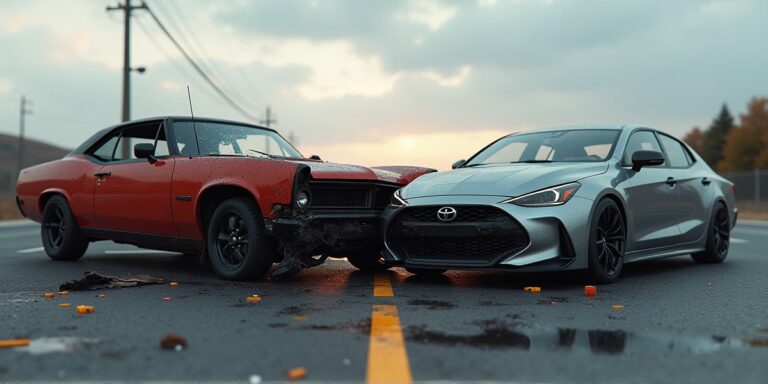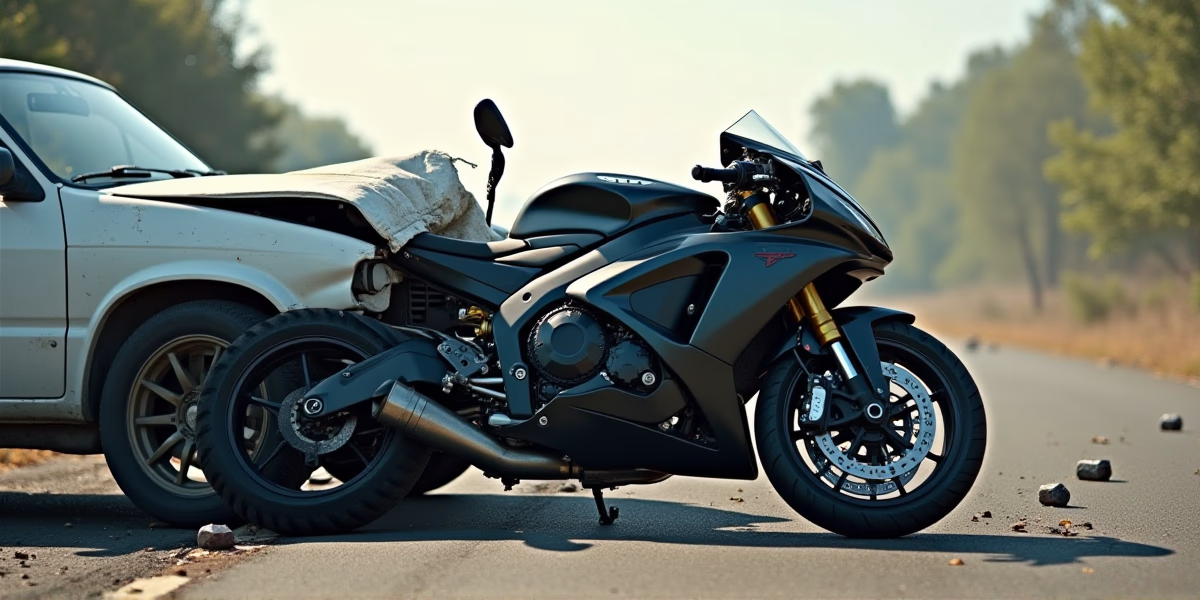
What If The At Fault Driver Doesnt Have Enough Insurance?

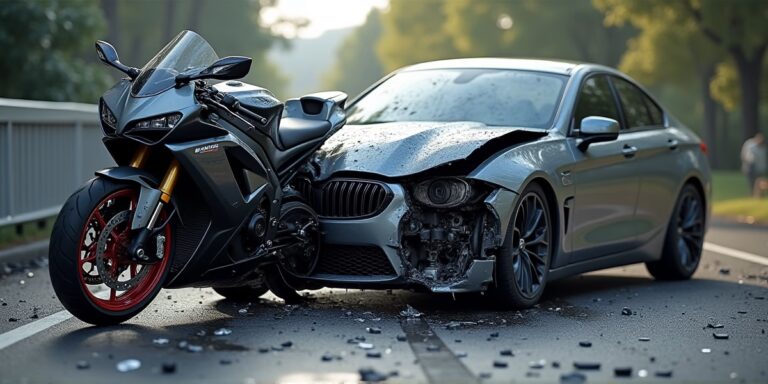
This is a tragically common scenario for motorcyclists in California. Because motorcycles offer little physical protection, even seemingly minor accidents can result in catastrophic injuries. Unfortunately, many drivers are uninsured or carry inadequate coverage to fully compensate you for your losses. When this happens, it’s crucial to understand your options and how to navigate the complexities of recovering the full amount you deserve.
The first step is to determine the extent of the at-fault driver’s coverage. Your attorney can obtain this information through a formal demand letter and, if necessary, through the discovery process. However, simply knowing the policy limits isn’t enough. We need to explore all potential sources of recovery to ensure you aren’t left footing the bill for someone else’s negligence.
I’ve been practicing personal injury law in San Diego for over 13 years, and I’ve seen firsthand how insurance companies attempt to minimize payouts to injured motorcyclists. Trained by a former insurance defense attorney, I have intimate knowledge of how they evaluate, devalue, and deny claims. This inside perspective allows me to build stronger cases and fight for the maximum compensation my clients are entitled to.
What are my options if the at-fault driver is uninsured?
If the at-fault driver lacks insurance, you can pursue a claim under your own Uninsured Motorist (UM) coverage. Ins. Code § 11580.2 requires insurers to offer this protection, and it essentially steps in to cover the damages the uninsured driver would have been responsible for. The limits of your UM coverage will dictate the maximum amount you can recover.
It’s important to note that UM claims can be more complex than claims against insured drivers. Insurance companies often scrutinize these claims closely, and they may attempt to deny or undervalue your recovery. Having an experienced attorney on your side is essential to navigate this process effectively.
Even if you don’t have UM coverage, there may be other avenues for recovery. We can investigate whether the driver has any assets we can pursue through a lawsuit, such as personal savings, real estate, or other valuable property.
Can I sue the at-fault driver personally?
Yes, you absolutely can sue the at-fault driver personally. However, it’s important to understand the implications of doing so. A lawsuit can be a lengthy and expensive process, and there’s no guarantee you’ll be able to collect a judgment even if you win. If the driver has limited assets, it may be difficult to recover the full amount of your damages.
Before filing a lawsuit, we’ll carefully assess the driver’s financial situation to determine if it’s a worthwhile pursuit. We’ll also consider the strength of your case and the potential costs involved. If the driver has significant assets, a lawsuit may be a viable option. If not, we may explore other recovery options.
It’s also important to be aware of the statute of limitations. CCP § 335.1 provides a **two-year** window from the date of the motorcycle accident to file a lawsuit for personal injury. Because evidence at a crash scene—such as skid marks or GoPro footage—can disappear quickly, immediate filing is critical to preserve the integrity of the claim.
What if the at-fault driver has *some* insurance, but it’s not enough?
If the at-fault driver’s insurance policy limits are insufficient to cover your damages, you may be able to pursue a claim under your own Underinsured Motorist (UIM) coverage. Similar to UM coverage, UIM coverage steps in to cover the gap between the at-fault driver’s policy limits and your total damages.
UIM claims can be particularly complex, as you’ll need to prove the at-fault driver was negligent and that your damages exceed their policy limits. Insurance companies often aggressively fight these claims, and they may attempt to reduce your recovery. Having an attorney with experience handling UIM claims is crucial to maximizing your compensation.
We can also investigate whether the at-fault driver has any other insurance policies that may provide coverage, such as a personal umbrella policy. These policies can provide additional protection beyond their standard auto insurance limits.
Could the owner of the vehicle be held liable?
In some cases, the owner of the vehicle may be held liable for your damages, even if they weren’t the driver at the time of the accident. This is particularly true if the owner negligently entrusted the vehicle to an unfit or incompetent driver. CACI No. 724 outlines the elements of a negligent entrustment claim.
To prove negligent entrustment, we’ll need to show that the owner knew or should have known that the driver was unfit to operate the vehicle. This could include evidence of a history of reckless driving, a suspended license, or a lack of experience. If we can establish negligent entrustment, we can pursue a claim against the vehicle owner’s insurance policy.
It’s important to gather as much information as possible about the vehicle owner, including their insurance information and any relevant history of negligent behavior.
What if the accident involved a commercial vehicle?
Accidents involving commercial vehicles, such as delivery trucks or rideshare vehicles, can be more complex than accidents involving private passenger vehicles. Commercial vehicles typically have higher insurance policy limits, but they also involve multiple potential defendants, including the driver, the vehicle owner, and the company employing the driver.
We’ll thoroughly investigate the accident to identify all potential defendants and sources of recovery. This may involve reviewing the driver’s logs, maintenance records, and employment history. We’ll also examine the company’s safety policies and procedures to determine if any negligence contributed to the accident.
California law preserves the right for a rider to pursue a separate civil claim against a **negligent third party** (such as a delivery driver or rideshare operator) whose actions contributed to the motorcycle accident, even if the rider is currently receiving workers’ compensation benefits. Labor Code § 3852.
What should I do if the insurance company is delaying my claim?
Insurance companies often employ delay tactics to try to minimize payouts to injured motorcyclists. They may request additional information, conduct lengthy investigations, or simply fail to respond to your inquiries in a timely manner. If you’re experiencing delays in your claim, it’s important to take action to protect your rights.
Your attorney can send a formal demand letter to the insurance company, outlining your damages and demanding a prompt response. We can also file a lawsuit to preserve your claim and force the insurance company to address your concerns. It’s important to document all communication with the insurance company, including dates, times, and the names of the individuals you spoke with.
We can also investigate whether the insurance company is acting in bad faith. Bad faith conduct includes unreasonable delays, improper denials, and attempts to undervalue your claim. If we can establish bad faith, we may be able to recover additional damages, such as punitive damages.
How does comparative fault affect my recovery?
California is a ‘pure’ comparative fault state, meaning that you can still recover damages even if you shared some responsibility for the accident. However, your total compensation will be reduced by your percentage of fault. Civ. Code § 1714.
The insurance company may attempt to argue that you were partially at fault for the accident, such as by speeding or failing to yield the right-of-way. It’s important to gather evidence to rebut these claims, such as witness statements, police reports, and accident reconstruction reports.
We’ll carefully analyze the evidence to determine your percentage of fault and ensure that you receive the maximum compensation you’re entitled to.
What if the at-fault driver fled the scene?
If the at-fault driver fled the scene of the accident, it’s crucial to report the incident to the police immediately. The police will investigate the accident and attempt to locate the driver. You may also be able to file a claim under your own Uninsured Motorist (UM) coverage, even if the driver is never found.
We can also investigate whether the driver had any prior history of fleeing the scene of an accident. This could be evidence of a pattern of negligent behavior and could strengthen your claim. It’s important to gather as much information as possible about the driver, including their vehicle description and any identifying features.
Even if the driver is never found, you may still be able to recover damages through your own insurance policy or through other sources of recovery.
What is the importance of preserving evidence after a motorcycle accident?
Preserving evidence is crucial to building a strong case after a motorcycle accident. This includes gathering photos of the accident scene, obtaining witness statements, and documenting your injuries and medical treatment. It’s also important to preserve any digital evidence, such as dashcam footage or electronic data from your motorcycle.
We can send a spoliation letter to the at-fault driver and any other relevant parties, demanding that they preserve all evidence related to the accident. Failure to preserve evidence can result in sanctions, including the exclusion of evidence at trial. It’s important to act quickly to preserve evidence, as it can disappear quickly.
Evidence preservation and documentation timelines (spoliation letters, data overwrite windows) are critical in these cases.